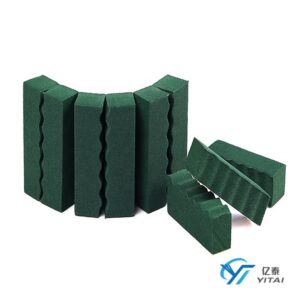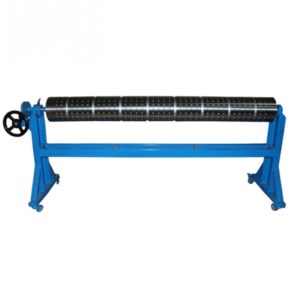
In the high-speed world of corrugated box manufacturing, machine uptime is everything. Every minute your rotary die cutter stands idle for maintenance, unscheduled adjustments, or premature part replacement directly eats into your profit margins.
At the heart of this production efficiency is a critical yet often overlooked component: the Anvil Cover. Choosing, measuring, and maintaining your anvil covers correctly can make the difference between a clean-cutting, high-yield operation and constant production headaches. This guide compiles practical workshop insights to help your team maximize tool lifespan, improve die-cutting quality, and avoid costly installation errors.
1. Selecting the Right Anvil Cover: Toothed Latch vs. Traditional Bolt Locks
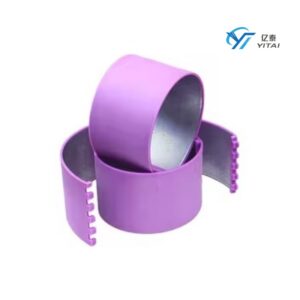
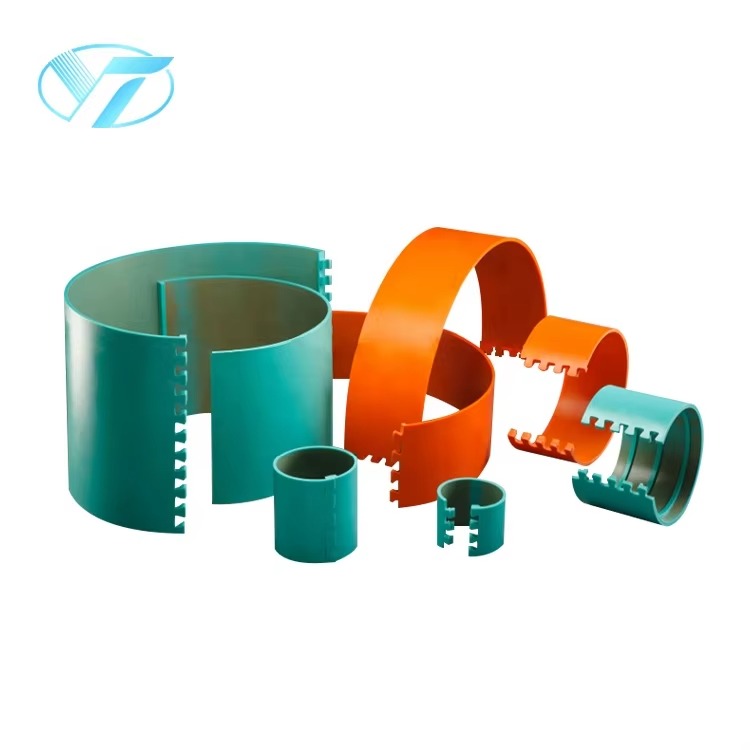
When sourcing polyurethane (PU) anvil covers, one of the most critical decisions is the interface design. The locking mechanism directly impacts installation speed, safety, and operational stability.
Toothed Latches
Toothed latches have rapidly gained dominant market acceptance for several key reasons:
- Easy Installation & Removal: They do not require complex specialized tooling, making swap-outs quick and straightforward.
- Worker Safety: Because they eliminate the use of metal locking parts, they significantly reduce the risk of hand injuries during mounting and dismounting.
- Cost-Efficient: They feature a simpler manufacturing process, leading to a lower price.
- The Trade-off: Over long-run operations, if the fit isn’t perfect, there is a minor risk of the cover stretching slightly or shifting.
Traditional Bolt / Key Locks
Historically favored for high-precision demands, traditional locks securely clamp the cover to the steel roller.
- The Disadvantages: They require experienced, highly skilled installers. Incorrect mounting can easily damage the locking channel, rendering the expensive cover completely unusable. Because of their complex design, they carry a much higher price tag.
- The Modern Alternative: Most advanced workshops are now replacing these legacy bolt systems with modern threaded clips or high-tolerance polyurethane toothed lock designs (including specialized diamond-buckle interfaces for maximum grip).
2. The Golden Rule of Measurement: How to Measure Standard vs. Perforated Anvil Covers
An unfitting anvil cover will cause immediate slipping, surface gaps, or premature wear. To get a perfect fit from your manufacturer, you must measure your equipment with high-precision tools. Never estimate.
For Standard Anvil Covers:
You must provide your supplier with these three critical dimensions:
- The exact diameter of the steel cylinder roller. Crucial Tip: Always clean the steel roller thoroughly and use a dedicated small round rule (diameter tape) to take this measurement. Regular flat tape measures will introduce errors.
- The width of the groove.
- The depth of the groove.
For Perforated Anvil Covers:
If your rotary die cutter uses bolt-on, pre-drilled covers, the measurement requirements change slightly. You will need to measure:
- The exact diameter of both the large and small steps of the steel cylinder.
- The precise width of the grooves and the metal protrusions on the cylinder.
- The total thickness of the cover itself.
3. Troubleshooting Common Anvil Cover Issues
Even high-performance polyurethane covers will fail prematurely if operated under poor conditions. Here is how to diagnose and solve the three most common workshop issues:
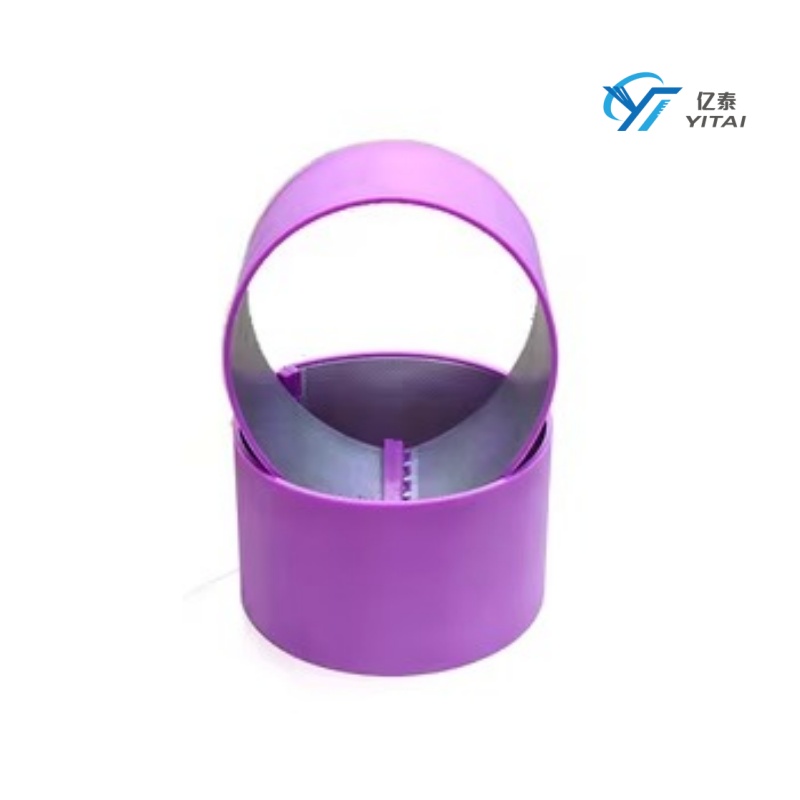
Problem 1: Gaps Appearing Between the Covers After Installation
Why it happens: This is usually caused by improper installation (pushing the covers on from one side instead of working from the center outwards), cover slippage, or uneven edges on the PU pads themselves.
The Solution: Reinstall the covers starting strictly from the center of the cylinder and working your way out to the edges. If the problem persists, install specialized lock rings or fixing collars on the outermost sides of the cylinder to prevent lateral shifting.
Problem 2: The Cover Installed Too Tight or Too Loose
Why it happens: The cylinder was not completely cleaned of old adhesive or debris prior to mounting, or the measurements were taken using a standard tape measure rather than a specialized diameter tape.
The Solution: Thoroughly scrape and clean the steel roller before test-mounting. Double-check your cylinder’s actual diameter against the manufacturer’s specification sheet.
Problem 3: Exceptionally Short Cover Lifespan
Why it happens:
- Failure to Rotate: The operator did not rotate or shift the positions of the anvil covers along the shaft.
- Excessive Pressure: Running too much die-cutting pressure.
- Mechanical Malfunction: The machine’s automatic lateral oscillation (left-to-right oscillation) mechanism is broken or turned off, forcing the dies to strike the exact same spot repeatedly.
The Solution:
- The 100,000-Cycle Rule: Instruct operators to systematically rotate and shift the anvil covers every 100,000 to 200,000 impressions to distribute the wear evenly.
- Pressure Management: Train operators to set the die-cutting pressure slowly, adjusting it in micro-increments rather than cranking it down hard at startup.
3. Upgrade to High-Performance PU with YITAI
Traditional rubber covers simply cannot keep pace with modern, high-speed rotary die cutters. Upgrading to industrial-grade PU anvil covers provides:
- 3x Longer Lifespan: Superior abrasion and tear resistance.
- Excellent Elastic Memory: Fast rebound after every strike, maintaining clean, burr-free box cuts.
- Operational Noise Reduction: Absorbs high-frequency vibrations for a safer, quieter workshop.
At YITAI, we manufacture custom-engineered polyurethane anvil covers in standard sizes (250, 360, 487 or Customized) and customized specifications. Whether you are running a high-speed packaging facility in North America, Europe, or expanding operations in fast-growing industrial regions across Africa and Latin America, we provide the robust tooling and global engineering support to keep your plant running smoothly. Contact us today for the further helpful information and experience.