No Two Rotary Presses Are Exactly Alike
Every die shop eventually runs into the same problem: a mounting cylinder that looks right on paper, but doesn’t quite fit once it arrives. The slot position is slightly off, the wall thickness isn’t rigid enough, or the surface starts showing rust within weeks of installation.
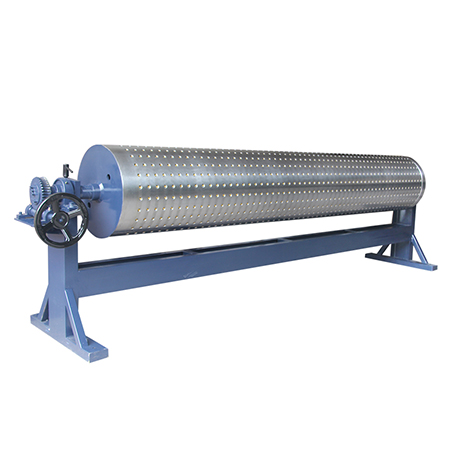
The root cause is simple — rotary die mounting cylinders aren’t a one-size-fits-all product. Slot position, hole pattern, wall thickness, and mounting method all vary depending on the specific press and workflow they’re built for. A cylinder made to generic specifications, without confirming your actual equipment details, is a common source of fit and performance issues that only show up after installation.
What Goes Wrong When a Cylinder Isn’t Built to Spec
A handful of recurring issues account for most of the problems die shops run into with mounting cylinders:
- Insufficient wall rigidity — under load, a thin-walled cylinder can flex slightly, throwing off hole and slot positions and reducing rotary die accuracy
- Mismatched hole or slot dimensions — if the cylinder wasn’t built to the exact specifications of your press or workflow, installation problems and misalignment are almost guaranteed
- Surface rust — cylinders without proper anti-rust treatment can start corroding within weeks, especially in humid or coastal environments, and rust doesn’t stay cosmetic for long
That last point deserves more attention than it usually gets.
The Rust Problem: Why Surface Treatment Isn’t Optional in Humid Climates
A bare, untreated steel cylinder will develop surface rust faster than most buyers expect — and in humid or coastal regions, this can happen within just a few weeks of regular use, not months. Light surface rust can often be removed with sandpaper without lasting damage. But left untreated, rust doesn’t stay light for long.
Once corrosion progresses, it creates raised, uneven spots across the cylinder surface. That unevenness translates directly into inconsistent die-cutting pressure — some areas cut cleanly while others are under-pressed or over-pressed, leading to incomplete cuts, uneven crease depth, and higher scrap rates. A rust problem that starts as a cosmetic issue can end up as a production quality issue within a single season.
Electroplating is the standard solution: an electroplated surface provides long-term corrosion resistance and keeps the cylinder’s working surface consistent over years of use, not just weeks. For die shops operating in humid climates — coastal regions, tropical markets, or facilities without climate-controlled storage — electroplating isn’t a cosmetic upgrade. It’s a practical requirement for keeping cylinder performance consistent over time.
Other Factors That Determine Cylinder Quality
Beyond surface treatment, a few other variables separate a reliable cylinder from one that causes problems down the line:
- Wall thickness — thicker walls resist deformation under load, keeping hole and slot positions accurate over repeated use
- Surface grinding precision — a precisely ground surface ensures the die plate seats evenly, preventing localized over- or under-pressure during production
- Drilling accuracy — CNC drilling holds tolerances within 0.5mm, compared to the larger position errors common with manual drilling; misdrilled holes lead directly to die mounting offset and higher scrap rates
- Worm gear transmission — a heavy-duty, thickened worm gear minimizes backlash during rotation, reducing angular offset and slotting errors
- Support frame structure — a robust frame reduces vibration during operation, protecting both alignment accuracy and bearing life over time
Each of these factors interacts with the others — a cylinder can only perform as well as its weakest specification.
Built to Match Your Equipment, Not a Generic Template
Because mounting cylinders need to match the exact specifications of the press and workflow they’re built for, the manufacturing process starts with your equipment details, not a standard catalog size.
To manufacture a cylinder that fits correctly the first time, we typically need:
- Cylinder outer diameter, overall length, and wall thickness requirements
- Slot or hole position, depth, spacing, and thread specifications
- Drilling method preference (manual or CNC) and tolerance requirements
- Surface finish requirements (raw steel, hard surface treatment, or full electroplating)
- Whether you need a standalone cylinder or a complete assembly with support frame and drive components
If you’re not sure how to specify all of this, a photo of your current cylinder, your press’s model plate, or basic technical drawings is usually enough for our engineering team to confirm the correct specifications before manufacturing begins.
Economy vs. Premium: Matching the Grade to Your Production Needs
Not every job requires the highest-spec cylinder available. As a general guide:
- Economy-grade cylinders — with standard wall thickness, manual or standard drilling, and raw or basic surface finish — are a reasonable fit for lower-precision, lower-volume orders where budget is the primary constraint
- Premium-grade cylinders — with reinforced wall thickness, CNC drilling, precision-ground surfaces, and full electroplating — are built for mass production and high-precision corrugated cartons, where reducing scrap rate matters more than upfront cost
For most die shops running consistent, high-volume production, the cost difference between grades is typically recovered quickly through reduced scrap and fewer reworks.
Need a replacement or custom rotary die mounting cylinder? Send us a photo of your current cylinder, your press’s model information, or any technical drawings you have — our engineering team will confirm the exact specifications and provide a quote.