A Manufacturing Region on the Rise
North America’s electronics supply chain is being redrawn. Nearshoring — moving production closer to the US market instead of relying on distant offshore hubs — has become a structural shift rather than a passing trend, and electronics manufacturing is one of its most active sectors.
Mexico sits at the center of this shift. The country’s electronics manufacturing services market was valued at roughly $17.18 billion in 2025 and is projected to keep growing toward $22 billion by 2031. Jalisco alone is now home to more than 600 electronics companies, and global names like Foxconn, LG, Samsung, and Flex have all built out electronics operations in the country.
Central American economies are carving out a complementary role in this same supply chain realignment. Countries such as Honduras have positioned themselves as nearshoring destinations in sectors where Mexico’s costs or capacity constraints create room for growth. Honduras benefits from CAFTA-DR, which provides tariff advantages and structured trade access to the US market — and industrial platforms built specifically for export manufacturing have expanded to support this growth.
For manufacturers operating in this region — whether assembling electronic components, connectors, wire harnesses, or finished consumer devices — this growth brings a very practical, day-to-day challenge: how do you source precision parts and materials quickly, without being tied to the long lead times of overseas tooling?
The Common Thread: Small Batches, Multiple Specs, No Time for Tooling
Electronics manufacturing rarely runs on a single fixed part number. Between prototyping, engineering changes, and multi-model production lines, manufacturers in this region are constantly working with small batches and frequently changing specifications — the exact conditions where traditional stamping dies and tooling become expensive and slow.
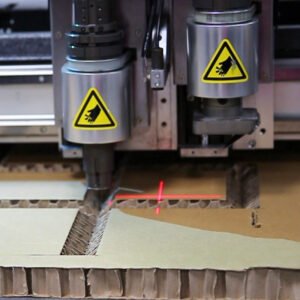
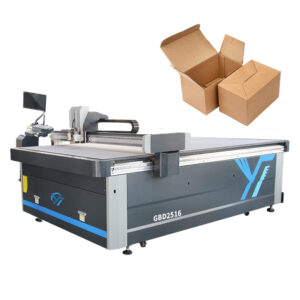
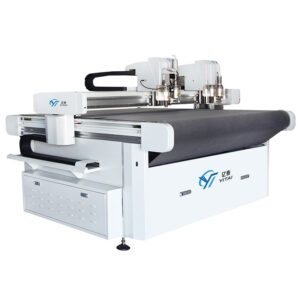
This is where digital cutting technology fits in. Instead of investing in a metal stamping die for every part variation, a digital cutter reads a CAD file and cuts the part directly — no tooling, no waiting, and changes can be made in minutes rather than weeks.
Three application areas come up again and again across electronics manufacturing operations in this region:
1. Insulation Washers & Gaskets
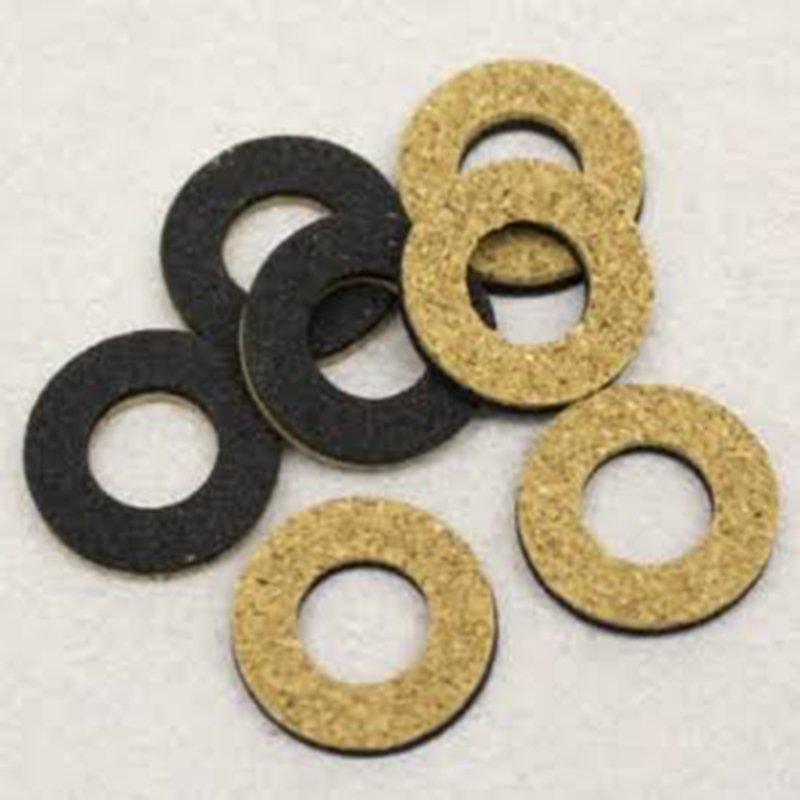
Electrical components — transformers, motors, relays, connectors — commonly require insulation washers cut from materials like Nomex aramid paper. These parts demand tight thickness tolerances and clean, burr-free edges to maintain electrical insulation performance.
A digital cutting machine can process Nomex paper and similar aramid insulation materials directly from a CAD drawing, holding consistent dimensional accuracy across every part — without the upfront cost of a stamping die, which matters most when a part is still being validated or produced in smaller volumes.
2. Sealing Gaskets & Foam Seals
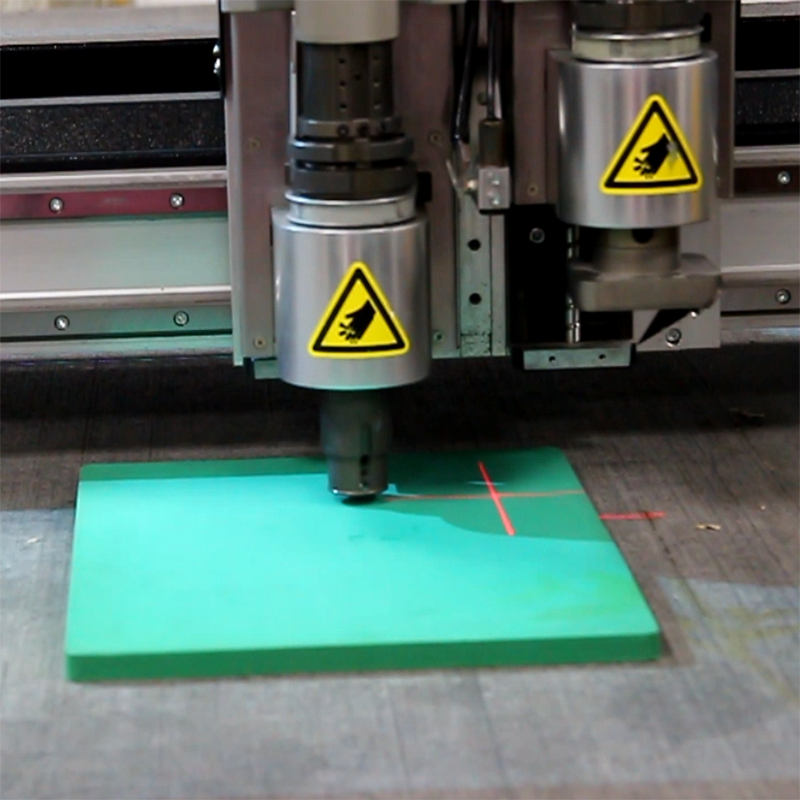
Enclosure sealing is another recurring need — foam gaskets and rubber seals used to protect electronic devices from dust and moisture ingress. These materials are often soft and compressible, which can make them difficult to cut cleanly with traditional die-cutting methods at low volumes.
Digital cutting handles a wide range of gasket materials — closed-cell foam, rubber, felt — with clean edges and consistent compression properties, making it well suited for enclosure sealing applications across different product lines.
3. Custom-Format Packaging on the Same Line
Many of the same manufacturers that need precision insulation parts also need packaging cut to specific formats — cardboard trays, protective inserts, and custom box blanks that vary by product and by customer. Rather than operating separate processes for functional parts and packaging, a single digital cutting platform can handle both, switching between materials and formats without retooling.
Why This Matters More in a Fast-Growing Region
One of nearshoring’s core advantages is speed — goods that once took 25 to 30 days to arrive from Asia can now move across the border in under 48 hours. That same logic applies to how manufacturers should think about their own internal production tools. A fast, flexible supply chain loses much of its advantage if a factory still has to wait weeks for a stamping die every time a part design changes.
For manufacturers scaling operations in Mexico and Central America — where multi-model production, frequent design iterations, and tight delivery windows are the norm — digital cutting offers a way to keep pace: fast turnaround on new parts, no tooling investment for low-to-medium volumes, and the flexibility to produce both functional components and packaging on the same equipment.
Is Digital Cutting the Right Fit?
Digital cutting is best suited for:
- Prototyping and engineering validation stages
- Low-to-medium volume production runs
- Products with frequent design changes or multiple SKU variations
- Facilities that need to switch between different materials (insulation paper, foam, rubber, cardboard) without multiple dedicated machines
For very high-volume, fixed-specification production, traditional stamping tooling may still offer a lower per-unit cost. Many manufacturers in practice use both — stamping dies for stable, high-volume parts, and digital cutting for everything still in flux.
Working with Nomex insulation, foam gaskets, or custom packaging formats in your production line? Get in touch to discuss which materials and part types are the best fit for digital cutting.