In the high-speed corrugated packaging industry, machine setup time directly affects your factory profit. If your operators spend 20 to 30 minutes manually aligning and screwing down a rotary die board for every short-run job, your production line is losing money.
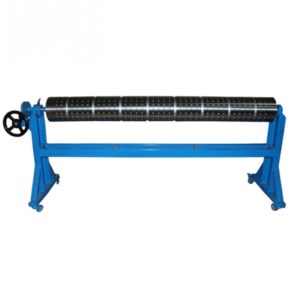
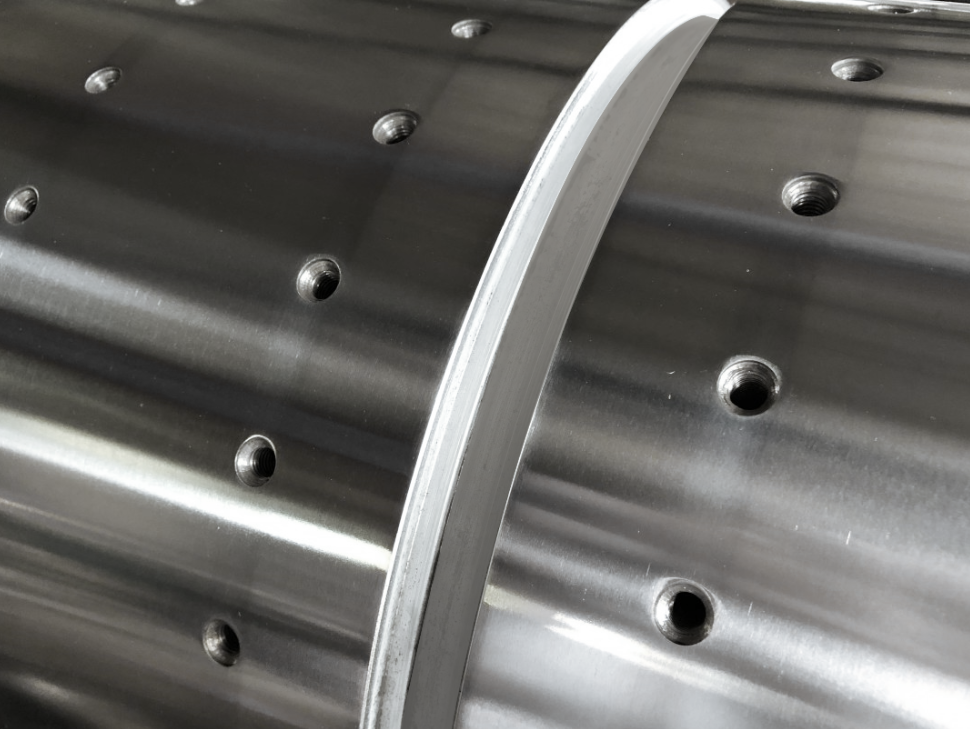
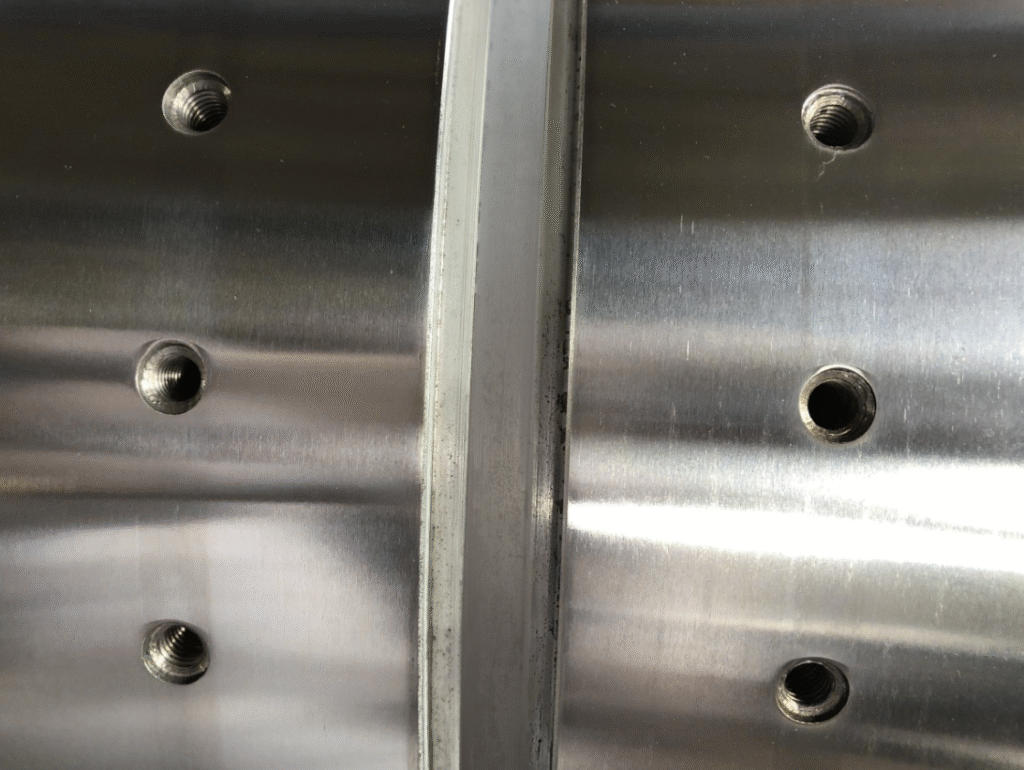
When you look at modern corrugated rotary die cutters—especially machines built for BOBST and legacy Martin systems—you will see a prominent feature on the cylinder surface: a deep, precision-machined axial slot. This is the aluminum Posilock groove.
Why is this deep slot there? Why isn’t the cylinder just a smooth steel drum with standard screw holes? Understanding how a precision Rotary Mounting Cylinder works with this slot is the key to fast die changes, zero-shift registration, and seamless boxmaking.
Fast, Screwless Die Mounting: 1:1 Compatibility with the Posilock System
The main purpose of this deep slot is to enable screwless, rapid die mounting using the Posilock quick-lock system.
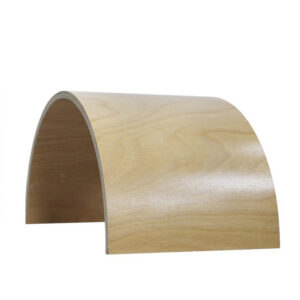
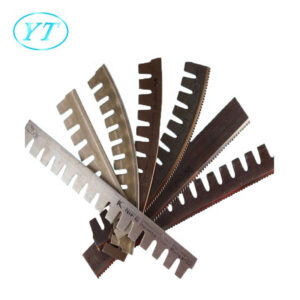
Instead of manually tightening dozens of bolts, the operator uses a rotary wood die board equipped with a matching aluminum quick-lock bar. When loading the die, this bar drops directly into the deep slot on the cylinder, clamping the die board securely in seconds.
For this system to work reliably, 1:1 manufacturing precision is strictly required:
- The width, depth, and profile of the slot must match the original machine specifications down to the exact millimeter.
- If the slot tolerance deviates even slightly, the rotary die board will either bind during installation or fail to lock tightly, creating serious safety risks at high production speeds.
The Absolute “Zero Line”: Datum Reference for CAD and Mounting Technicians
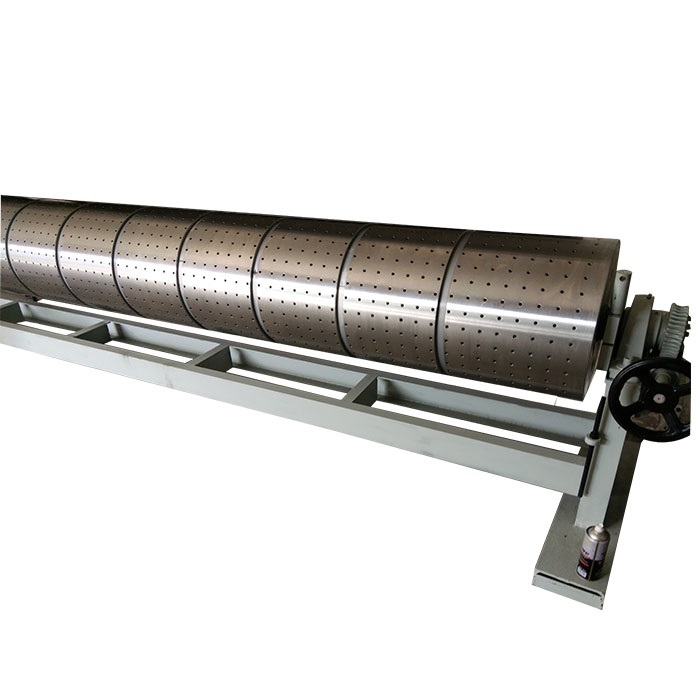
Beyond quick-locking, the deep slot serves a critical engineering role that every die maker and boxpert relies on: It acts as the absolute zero-point reference line for the entire cylinder.In corrugated converting, registration errors—such as misalignment between printing, creasing rules, and slotter cuts—are the leading cause of scrapped boxes. The deep slot fixes this at the source:
- For Laser CAD & CNC Engraving: When a die maker cuts the curved plywood shell on a laser cutter or CNC router, the starting origin point (0,0) of the layout is calculated directly relative to the Posilock slot position.
- For Manual Rule Assembly: When technicians insert steel cutting rules, creasing rules, and rubbering onto the board, all physical measurements start from this reference notch.
If the cylinder slot is misaligned or out of tolerance, every box produced on that line will suffer from registration shift, leading to ruined print-to-die alignment and costly customer rejections.
Choosing the Right Rotary Mounting Cylinder for Your Line
Not all corrugated converting lines use the same cylinder structure. A high-performance rotary mounting cylinder must be tailored to your specific machine brand, width, and production demands:
- Posilock Quick-Lock Cylinders: Built with the specialized 1:1 aluminum slot for high-speed BOBST and Martin machinery, ideal for plants running frequent job changes.
- Standard Screw-Mount Cylinders: Features customized axial and radial hole patterns (manual or precision CNC-drilled) for traditional bolt-on rotary dies.
- Economy vs. Premium Finish: Options range from standard raw steel finish to heavy-duty CNC-drilled cylinders with hard surface electroplating, providing superior corrosion resistance and longer wear life.
- Cylinder-Only or Complete Assembly: Available as a standalone steel drum or a complete assembly supplied with supporting side frames, turbine drives, and gearboxes for immediate installation.
Key Technical Parameters for Custom Manufacturing
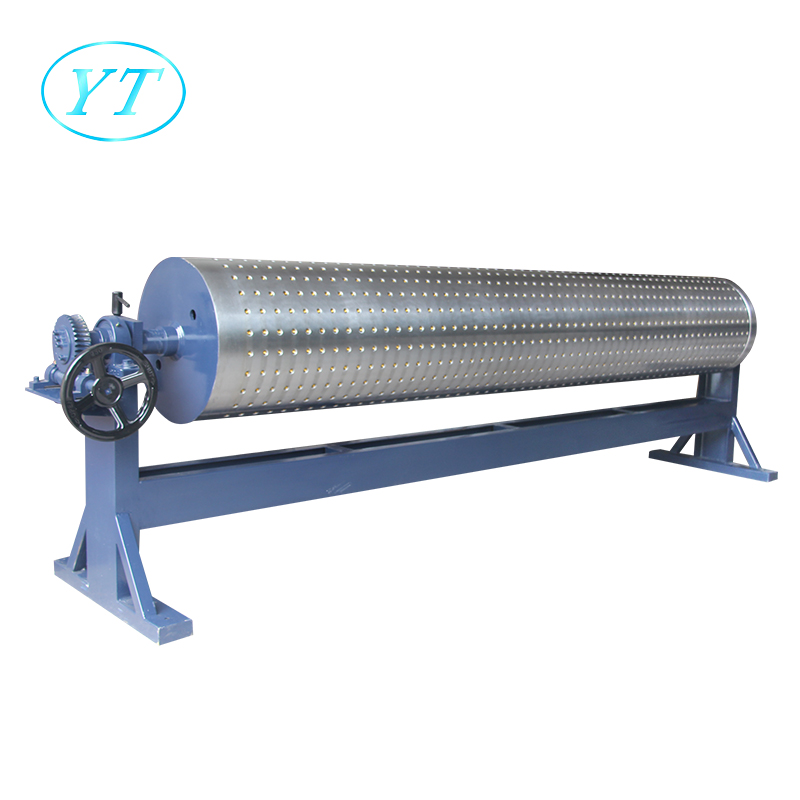
Because every corrugated RDC line uses unique mounting geometry, providing accurate specifications is essential when ordering a replacement cylinder. To ensure perfect compatibility with machines like Dongfang, TCY, or BOBST and Martin series, provide the following parameters:
Basic Dimensions and Layout:
- Cylinder outer diameter and total circumference
- Cylinder body length and wall thickness
- Center hole and keyway requirements
Slot and Hole Specifications:
- Slot depth, width, and centerline position (for Posilock systems)
- Total count of axial holes across the drum
- Total count of radial holes around the drum
- Axial and radial hole pitch (spacing distance)
- Screw hole thread specification (such as M8)
Machining and Finishing:
- Drilling method: Manual drilling or high-precision multi-axis CNC drilling
- Surface treatment: Raw steel, anti-rust coating, or hard electroplating
- Drive setup: Bare drum only, or full assembly with turbine gears and side frames
When requesting a quotation for a rotary mounting cylinder, providing detailed information helps engineering teams prepare an exact solution quickly. A complete inquiry should include your machine brand and model, target cylinder dimensions, hole layout details, slot requirements, and whether you need side frames or turbine drives included.
The more accurate your initial technical data is, the faster your replacement cylinder can be manufactured and installed with zero downtime.
Upgrade Your Corrugated Line Efficiency with YITAI
A rotary mounting cylinder is far more than a simple steel drum—it is the foundation of your entire die-cutting accuracy. Every slot width, hole position, and surface tolerance directly dictates your daily setup speed and box quality.
YITAI has manufactured high-precision rotary mounting cylinders, die-making tools, and converting equipment for packaging plants in over 100 countries. Whether you need a 1:1 Martin-compatible Posilock cylinder or a custom-engineered replacement drum for your corrugated press, our team provides the technical precision needed to maximize your plant productivity.
Contact YITAI today to request a custom specification sheet and direct quote for your factory.