The Hidden Cost of Rule Extraction in Die Maintenance
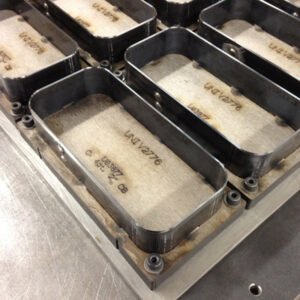
In die-making and packaging workshops, replacing worn or damaged cutting and creasing rules is a routine but critical task. However, extracting stubborn steel rules—especially thick 3Pt or 4Pt blades deeply embedded in plywood die boards—can easily turn into a bottleneck.
Using improper tools like standard pliers or lateral prying bars creates severe operational risks:
- Die Board Damage: Lateral forces crack, chip, or expand the wood cutouts, making the slots too loose for new rules and rendering expensive die boards useless.
- Worker Injury: Slipping pliers can lead to dangerous cuts from sharp rule edges or chronic hand fatigue.
- Efficiency Loss: Manual removal of an entire board’s rules can take up to 10 minutes or more per job.
To solve these challenges, professional die makers rely on specialized tools: Manual Precision Rule Pullers and Pneumatic Rule Pullers. Understanding their technical and operational differences helps workshops choose the right equipment for their production volume.
Technical Comparison Matrix
The table below outlines the core technical differences between manual and pneumatic extraction technologies:
| Feature | Manual Steel Rule Puller | YITAI Pneumatic Steel Rule Puller |
| Power Source | Manual leverage (Human effort) | Compressed air (Industrial pneumatic cylinder) |
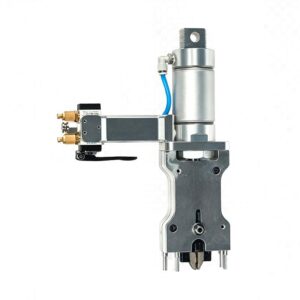
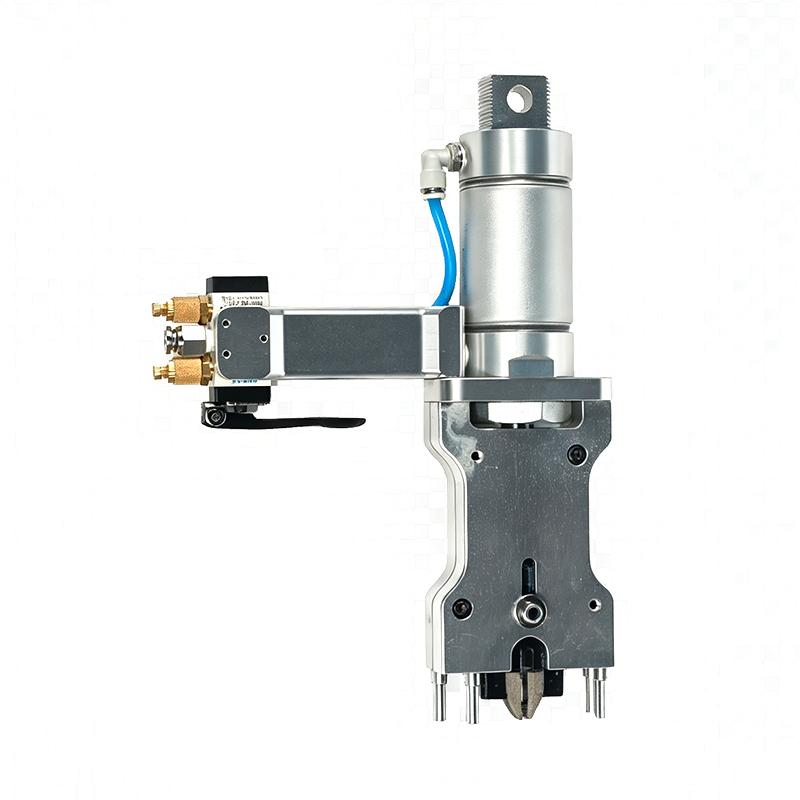
| Pneumatic Components | N/A | Authentic AIRTAC MBL50 Cylinder & M5C110-06 Valve |
| Pulling Mechanism | Vertical mechanical leverage with rubber grips | 100% Pure Vertical Lift (0.5–0.8 MPa Air Pressure) |
| Max. Pulling Force | Dependent on operator strength | ~110 kg instant vertical force (at 6 Bar) |
| Extraction Speed | ~10 minutes per standard board | Under 5 minutes per board (50%+ speed boost) |
| Rule Compatibility | 2PT – 4PT (Height: 23mm+) | 1.5PT – 4PT / 0.53 – 1.42mm (Height: 22.8 – 30.0mm) |
| Tool Weight & Size | 1.5 kg (Compact: 26 × 98 × 490 mm) | Heavy-duty ergonomic structure with quick-fit air inlet |
| Primary Advantage | Highly portable, $0 energy cost, low investment | Zero operator fatigue, zero injuries, 100% board preservation |
Detailed Performance Breakdown
Extraction Physics & Die Board Protection
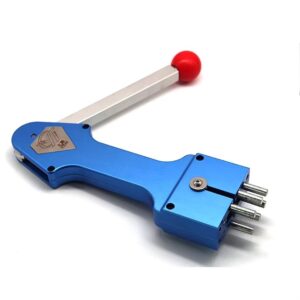
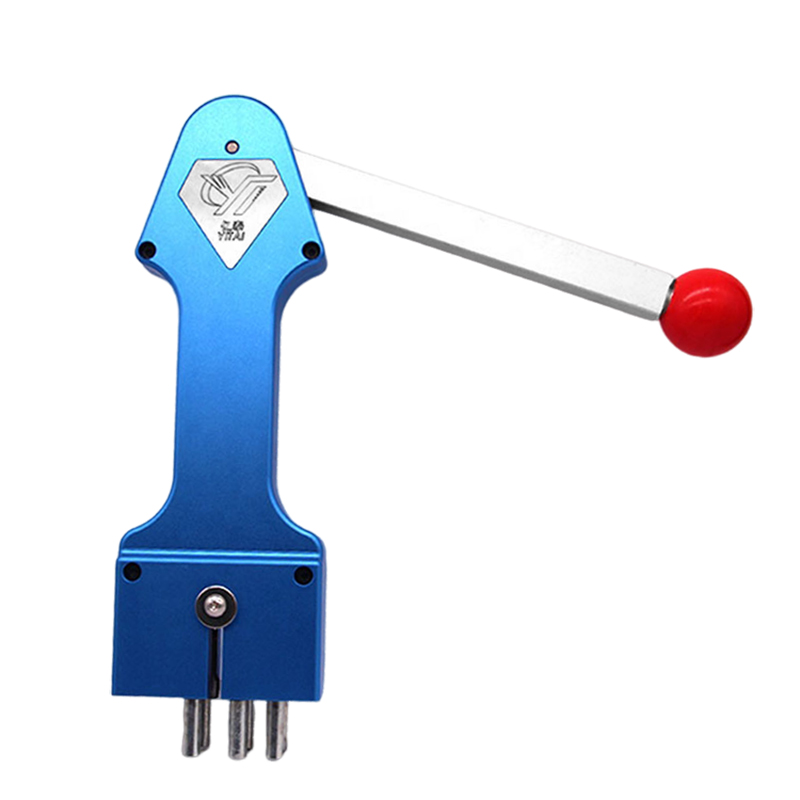
- Manual Puller: Utilizes precision angled jaws and interchangeable feet to grip rules securely. When operated correctly with vertical downward pressure on the handle, it extracts rules cleanly without tilting. However, pulling force depends heavily on worker technique.
- Pneumatic Puller: Driven by a 50mm bore AIRTAC double-acting cylinder, it eliminates human variance by delivering an instant 110 kg of pure vertical lift stroke (25 mm). Because zero lateral force is applied, the laser-cut plywood slot remains 100% intact, allowing die boards to be safely reused multiple times.
Operational Speed & Worker Fatigue
- Manual Puller: Designed with an ergonomic non-slip rubber handle, making it far superior to standard pliers. It is ideal for small die shops, low-volume repairs, or tight-corner extractions where portability is key.
- Pneumatic Puller: Features a one-touch handle-type valve. Operators simply position the clamp over the rule and press the trigger. It cuts job turnarounds by over 50%, completely eliminating hand fatigue during high-volume rule replacements.
Application Scenarios: Which Should You Choose?
- Choose the Manual Rule Puller if: You run a smaller die workshop, perform quick field repairs on flatbed or rotary dies, or need a budget-friendly, highly portable tool with narrow jaws to reach tight corner patterns.
- Choose the YITAI Pneumatic Rule Puller if: You operate a high-volume die-making or packaging plant, frequently process thick 3Pt/4Pt steel rules, and want to eliminate workplace injuries while doubling die-maintenance throughput.
Upgrade Your Die Maintenance Workflow with YITAI
Whether you need a flexible manual puller or a heavy-duty pneumatic extraction system, YITAI Precision Machinery delivers hardened alloy components designed for long service life in industrial die shops. Contact YITAI today to upgrade your die shop tool.