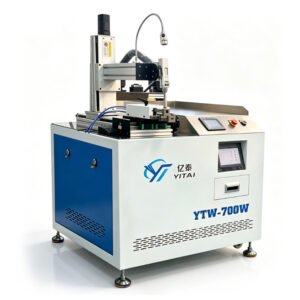
In the packaging and die-making industries, the accuracy of a finished die board depends on the quality of its steel rule joints. Whether you are making folding cartons, pharmaceutical packaging, or corrugated boxes, any blade deformation can cause cutting problems.
For many years, die shops have used traditional Gas Shielded Welding ( TIG welding or MIG welding) to join steel rule seams and intersections. However, as packaging factories demand higher precision and faster delivery, traditional welding has become a bottleneck in die blade fabrication. When comparing Traditional Welding vs. Laser Welding for your workshop, which technology is better for precision steel rule joints? Let’s look at the technical facts.
The Disadvantages of Traditional Welding on Die Blades
Traditional TIG or MIG equipment is cheap, but using it on thin, hardened cutting rules (typically 2pt/3pt, or 0.45 mm to 1.42 mm thick) causes several major problems for die makers:
- Blade Annealing and Deformation: Traditional welding creates too much heat. This intense heat can anneal the high-carbon tool steel making the sharp cutting edge soft or cause the die blade to bend and warp.
- Extra Time for Post-Weld Grinding: Traditional welds leave thick, raised, and blackened metal seams. Workers must spend a lot of time manually grinding and polishing each joint so the blade can fit into the laser-cut slots of the die board correctly.
- High Dependency on Skilled Welders: Welding a 0.71 mm thin steel rule without burning through the metal requires an experienced master welder. If that welder leaves your shop, your high-precision die production stops.
Why Laser Welding is Better for Die Making?
A purpose-built laser welder uses a highly focused, non-contact process. It is the superior choice when comparing traditional welding vs. laser welding for steel rules.
- No Deformation, Keeps Blade Hardness: Based on non-contact laser technology, it features low heat input and minimal deformation. Because the laser heat stays in a very small area, the steel rule keeps its original material hardness, straightness, and sharp cutting edge.
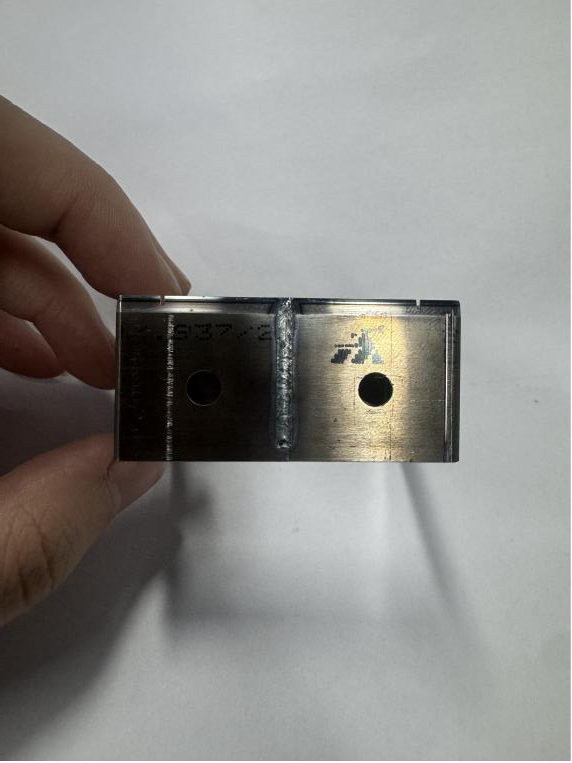
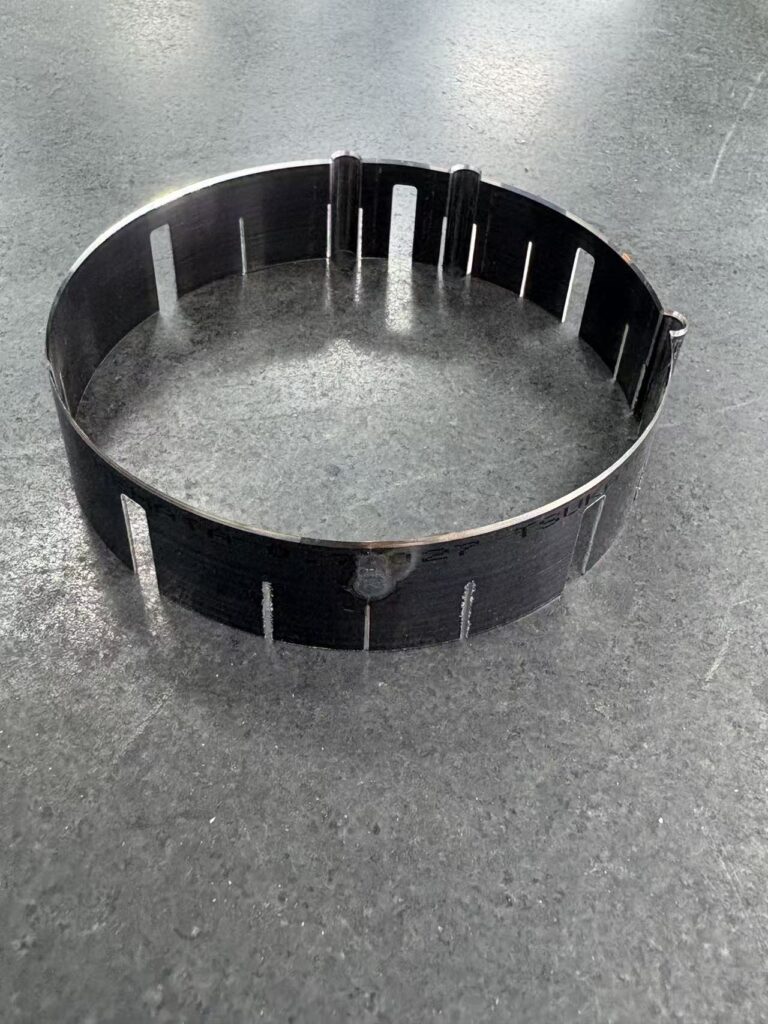
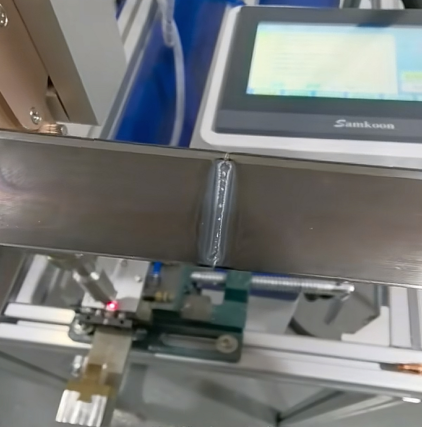
- Smooth and Clean Weld Seams: The laser produces smooth, even weld seams that are not blackened. This flawless process ensures zero damage to the blade body, and the joined steel rules are ready for assembly with no grinding required.
- Easy to Operate for New Staff: You do not need a licensed welding expert. General workshop staff can learn to use the machine and make perfect joints after just a few hours of training.
- Safe and Eco-Friendly: Unlike traditional welding, the laser welding process is clean, pollution-free, and safe for operators in daily production.
| Feature | Traditional TIG/MIG Welding | Yitai YTW-700W Laser Welder |
| Heat Impact on Rules | High heat; can soften the cutting edge | Low heat; protects original blade hardness |
| Blade Deformation | High risk of warping or bending | No risk; keeps the blade perfectly flat |
| Post-Weld Grinding | Required; takes a lot of time and labor | Not required; blades are ready for assembly |
| Operator Skill Level | Requires certified, experienced welders | Easy to use; suitable for general technicians |
| Weld Seam Quality | Rough, uneven, and blackened | Smooth, even, and not blackened; no damage to the blade |
Our Solution: The Yitai YTW-700W Laser Welder
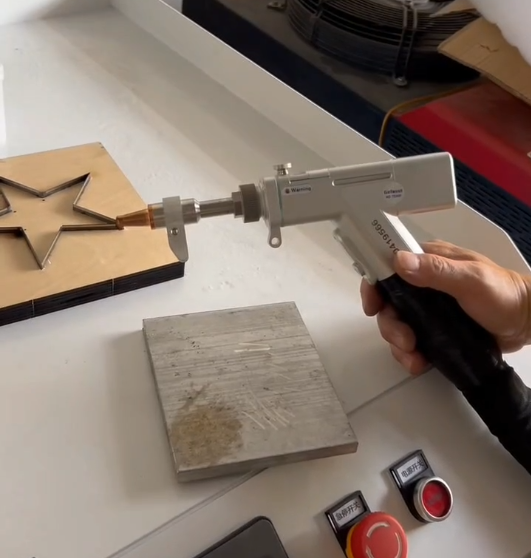
To solve these problems, Yitai developed the Yitai 700-Watt Laser Welding Machine for Die Making. This system is specially designed for standard steel rule die manufacturing, blade joint reinforcement, and quick repairs. Here is the Key Benefits:
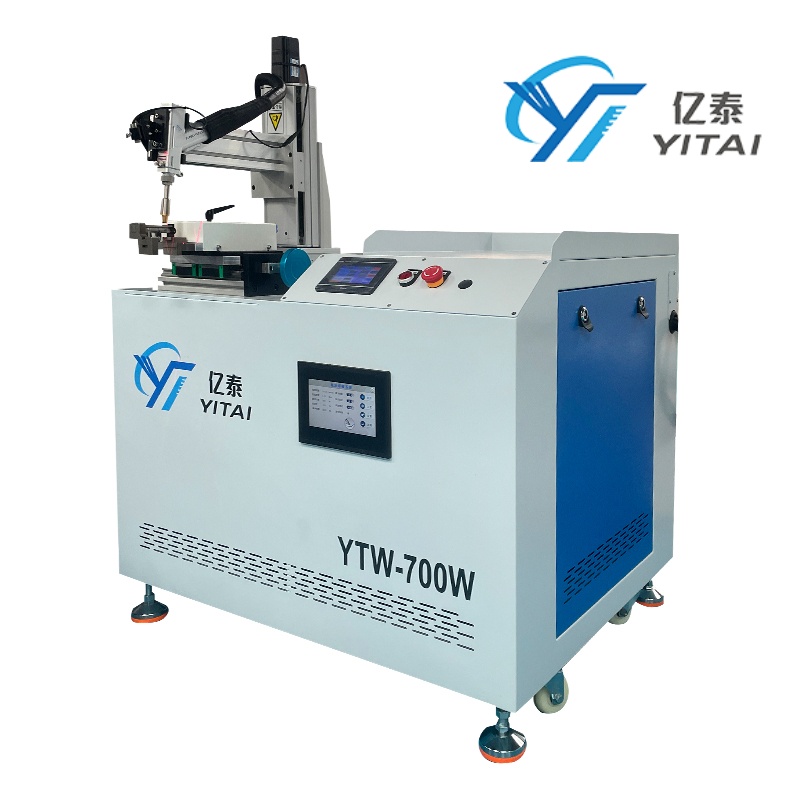
- Fast and Automatic Precision: It provides fast laser automatic welding. The system features a stable working area that ensures high automatic welding accuracy for consistent production quality.
- Manual and Automatic 2-in-1 Platform: The welding gun can be freely taken and moved. This integrated manual and automatic platform perfectly meets different customer demands and working scenarios.
- 8 × Magnified Screen: The machine comes with an 8 × clear magnification display screen. Operators can monitor the joint quality and observe the welding process in real-time.
- Air-Cooled System: It does not use external water chillers. This means simpler daily operation, lower maintenance costs, and no freezing risks in winter.
Save your Die shop cost
Switching from traditional arc welding to the Yitai laser welder helps your business save money immediately:
- Save Labor Time: Eliminating 10 to 15 minutes of manual grinding on every blade joint helps your workshop finish dies faster and take more urgent orders.
- Reduce Labor Costs: You do not need to pay high wages for rare welding talent; any general technician can produce perfect, clean joints.
- Reduce Material Waste: Because the blades do not warp from heat, your blade scrap and rework rates drop to zero.
Using old, high-heat traditional welding methods makes it difficult to meet the high precision requirements of modern packaging buyers. Upgrading to a dedicated steel rule laser welder helps you protect blade quality, reduce labor costs, and increase production capacity. Ready to improve your die blade welding? Contact our team today to get a long-term solution!