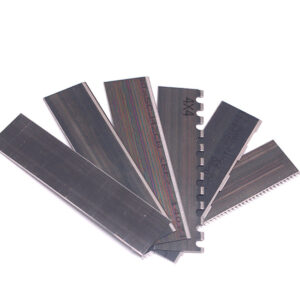
A Familiar Problem in Die Shops
A batch of steel rule dies goes out, runs fine for a few weeks, and then breaks — almost always at the same spot: the weld joint. The customer calls in a complaint, the die comes back for emergency repair, and the production line waiting on it sits idle until it’s fixed.
If this sounds familiar, the root cause usually isn’t the steel rule itself or how it was installed. It’s the welding process used to join the ends together.
What Actually Happens at a Weld Joint
When two ends of a steel rule are welded together, the metal at and around the joint goes through a rapid heating and cooling cycle. How that heat is applied — and how much of it spreads beyond the joint — determines whether that weld becomes the strongest point on the blade or the weakest one.
A weld joint on a steel rule die fails when excessive heat during welding alters the metal’s structure, making that specific point more brittle and prone to cracking than the rest of the blade. This is the mechanism behind most premature die failures at the joint.
Three specific issues tend to drive this:
1. Heat-Affected Zone (HAZ) Is Too Large
Traditional arc or TIG welding delivers heat in a way that’s difficult to fully control. The area surrounding the joint — not just the joint itself — gets heated enough to change the metal’s microstructure. This is known as the heat-affected zone, and a larger HAZ means a larger section of the blade has reduced hardness and toughness. That softened zone becomes the natural failure point under repeated cutting pressure.
2. Oxidized, Discolored Weld Seams
A blackened or discolored weld seam isn’t just a cosmetic issue — it’s usually a sign that the surface metal has oxidized during welding. Oxidation at the joint accelerates fatigue cracking, meaning the die is more likely to fail exactly where the weld sits, and sooner than expected.
3. Thermal Distortion Throwing Off Blade Alignment
Uneven heating during welding can cause slight warping at the joint. Once the blade is mounted into the die board, even a small deviation in alignment affects cutting precision — and in high-speed production, that translates into inconsistent cuts and increased scrap.
Where This Problem Gets Worse
These issues don’t affect every weld equally. A few situations make joint failure significantly more likely:
- Ultra-thin steel rules (in the 0.4–0.5mm range) are especially vulnerable — the margin for heat control is much smaller, and traditional welding can burn through or distort the blade before a solid joint is even formed.
- Rush repair jobs add pressure to weld quickly, which often means cutting corners on technique — precisely when a clean, low-distortion weld matters most.
- Welder-dependent quality means the same die shop can produce joints of wildly different strength depending on who’s on the torch that day, making failure rates hard to predict or control.
How Laser Welding Addresses This Directly
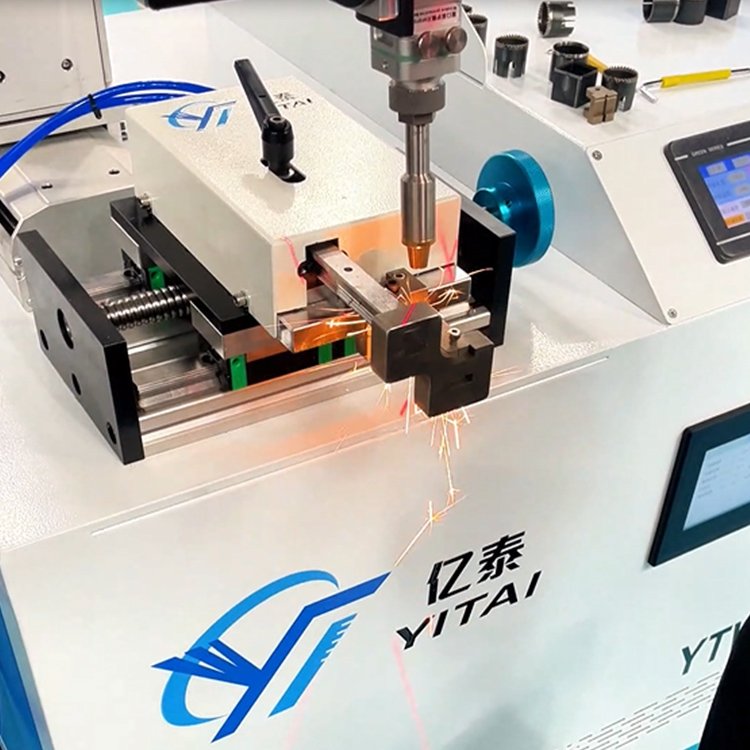
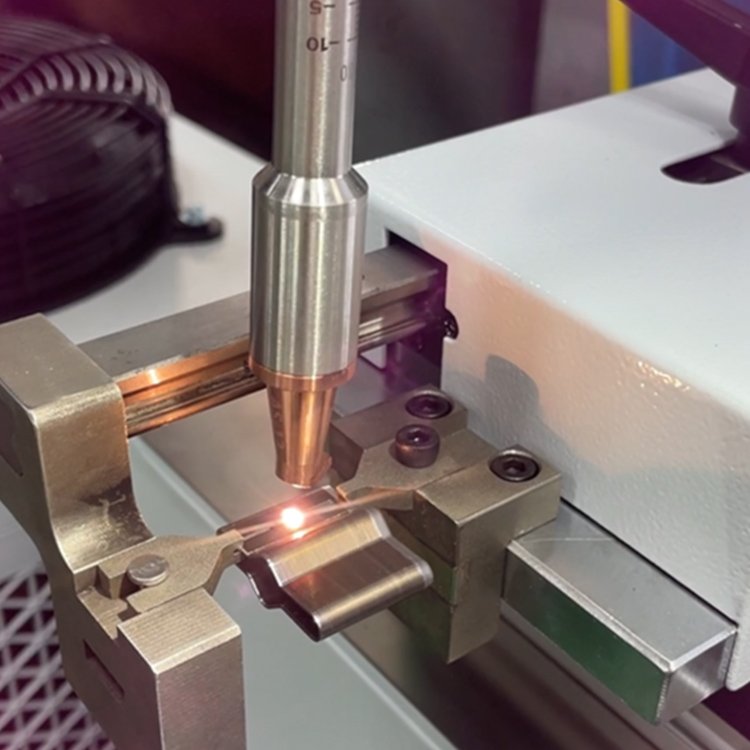
Laser welding doesn’t eliminate heat from the process — but it concentrates and controls it with far more precision than arc or TIG welding, which directly addresses each of the failure points above:
- A much smaller heat-affected zone, since the laser delivers focused energy only where it’s needed, without heating the surrounding blade material
- Clean, oxidation-free weld seams, avoiding the discoloration that signals a weakened joint
- Minimal thermal distortion, preserving blade alignment and cutting precision after the weld cools
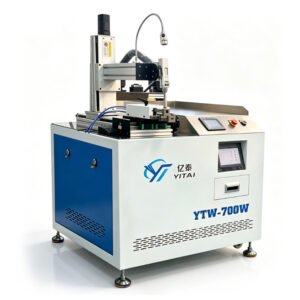
For die shops working with a machine like YITAI’s 700W Air-Cooled Laser Welding Machine, this also comes with constant-speed wire feeding, which fills the weld seam during the process — further reinforcing the joint and reducing the risk of small gaps that can become future failure points, particularly useful for thermoforming dies and applications where joint strength matters most.
A Practical Way to Diagnose Your Own Die Shop
If joint failure is a recurring issue in your production, a few questions can help pinpoint whether welding technique is the underlying cause:
- Do failures consistently happen at or near the weld joint, rather than randomly along the blade?
- Do you see discoloration or visible scorch marks at the joint after welding?
- Does failure rate vary noticeably depending on which operator did the welding?
- Are thinner steel rules failing more often than thicker ones?
If the answer to most of these is yes, the welding process itself — not the steel rule material or die design — is likely the primary factor driving your repair and replacement costs.
Frequently Asked Questions
Because the weld joint is where the metal has been heated and cooled during welding, it’s structurally different from the rest of the blade. If that heat wasn’t well controlled, the joint becomes the weakest point and fails first under repeated cutting stress.
No welding process eliminates failure risk entirely, but laser welding significantly reduces it by minimizing the heat-affected zone and thermal distortion that typically weaken traditional welds.
Yes — precise heat control is one of the main advantages of laser welding, making it well suited to thin rules (0.4–0.5mm) that are prone to burn-through or distortion with traditional welding methods.
Dealing with recurring joint failures in your die shop? Get in touch to discuss whether your current welding process — or a switch to laser welding — is the right fix.