Precision Die-Cutting: Rotary vs. Flat Die Selection Essentials
In precision die-cutting, neither rotary dies nor flat dies are universally superior—selection hinges on application suitability, not sheer performance.
With years of hands-on experience in die manufacturing, misselection causes costly downtime and waste, while optimal choice doubles throughput and cuts material loss.
Die makers, converters, and in-house teams must master their operational traits. This article goes beyond basic pros and cons, covering market segmentation, ideal product uses, and the critical role of high-precision machinery for both tooling types.
1. Market Segmentation and Typical Product Applications
The first rule of thumb in our factory is simple: let the material and the volume dictate the technology. You cannot force a square peg into a round hole, and similarly, you cannot expect flatbed tooling to efficiently process high-speed roll stock without sacrificing speed.
Rotary Dies: The Kings of High-Speed Continuous Production
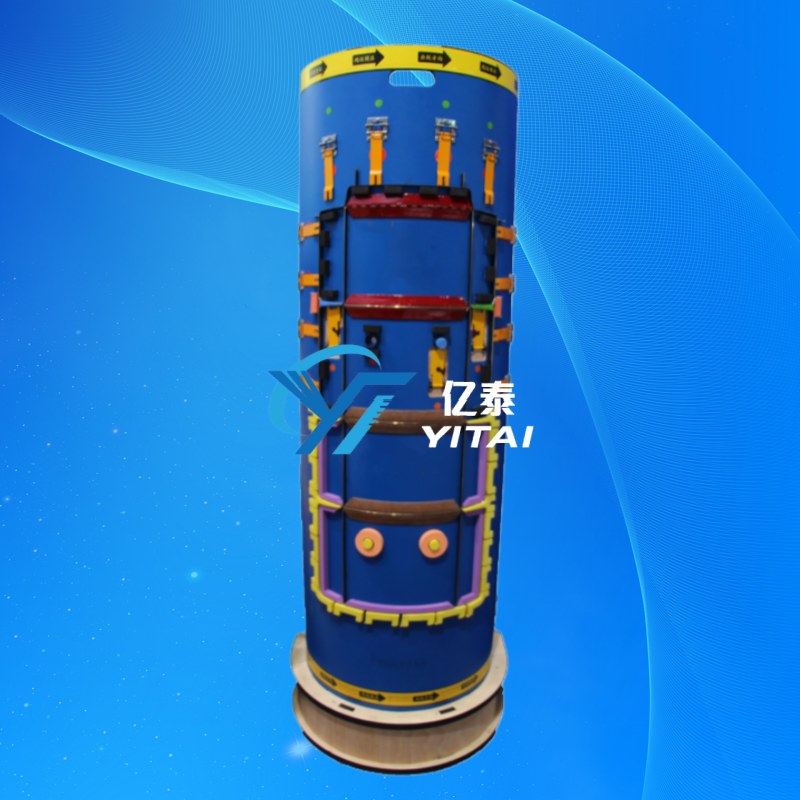
Rotary dies are engineered for motion. They excel in environments where time is the most expensive variable. In our facility, when we see customers bringing in roll-to-roll materials with annual volumes in the millions, we immediately guide them toward rotary solutions.
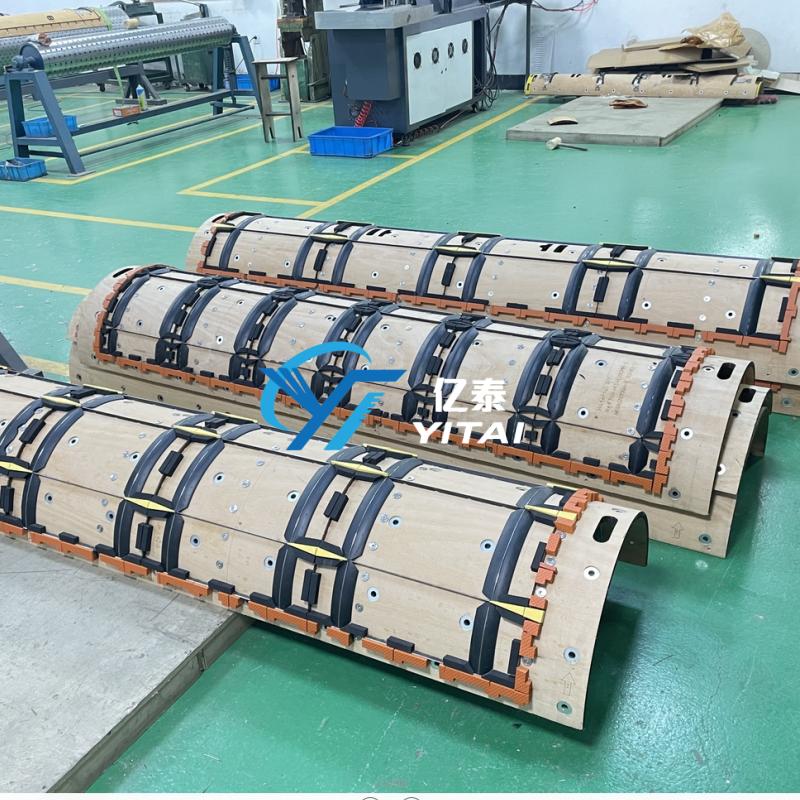
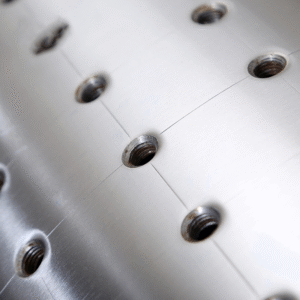
Rotary Die by Yitai
- Self-Adhesive Label Industry: This remains the stronghold for rotary dies. Whether it is food labels requiring intricate contour cuts or pharmaceutical labels demanding micro-perforations for child-resistant features, the rotary die machine setup allows for consistent cut quality at speeds that flatbed presses cannot match. The precision of the curved die ensures that even with ultra-thin facestocks, the kiss-cut depth remains uniform across the entire web.
- Electronics Industry: This sector demands perfection. Think about smartphone components—spacers, FPC (Flexible Printed Circuit) stiffeners, and insulating films. A single burr or a slightly angled cut can render an electronic component useless. Rotary dies provide the clean cut surfaces and tight tolerances (often within ±0.1mm) required for these high-value materials.
- Medical and Hygiene Products: In medical applications, hygiene and efficiency are non-negotiable. Band-Aids, medical tapes, and diaper components are produced in staggering volumes. Rotary dies offer the advantage of integrated waste removal systems, ensuring that the scrap matrix is stripped away cleanly without stopping the production line, which is vital for maintaining sterile, high-speed environments.
- Flexible Packaging: From easy-tear openings on snack bags to the precise forming of spouts on flexible pouches, rotary tooling provides the creasing and cutting solutions necessary to maintain package integrity without compromising the material’s barrier properties.
Flat Dies: The Powerhouses of Versatility and Force
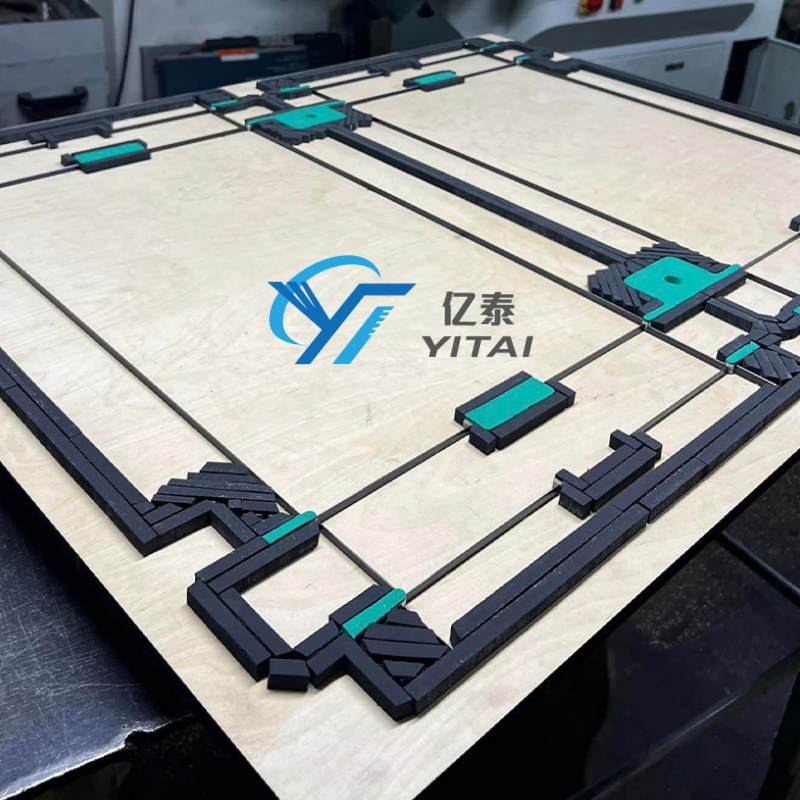
Where rotary dies rely on speed, flat dies rely on force and flexibility. In our machine shop, flat dies are the go-to solution when the material thickness exceeds 0.5mm or when the production run involves frequent design changes.
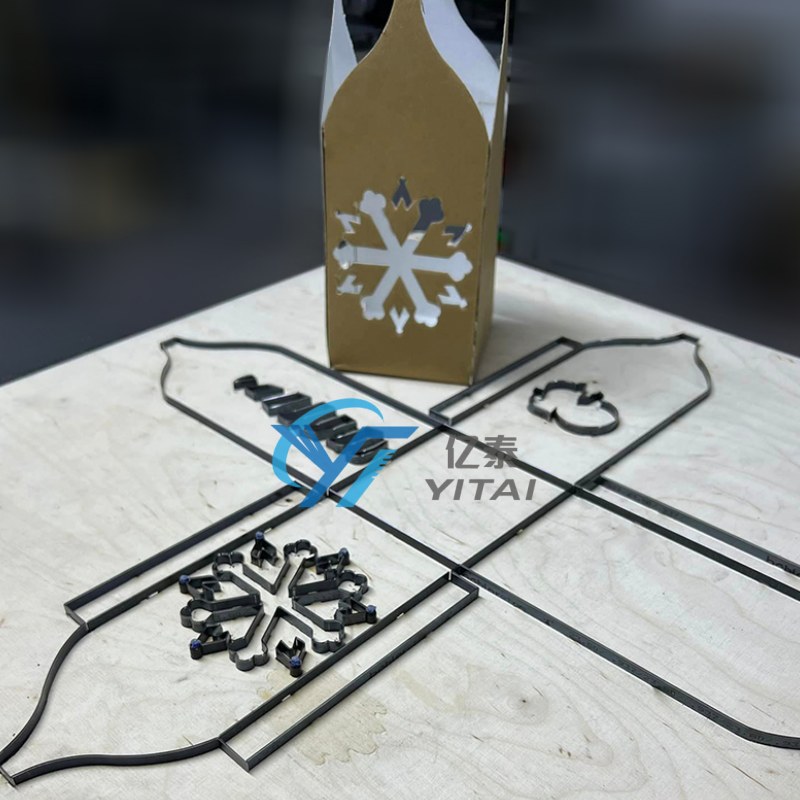
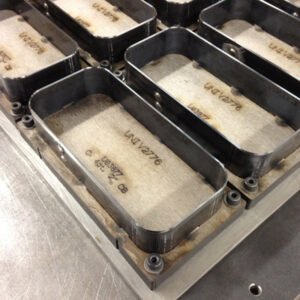
Flat Die by Yitai
- Packaging Boxes and Printed Materials: High-end gift boxes, mobile phone retail packaging, and wine boxes are typically made from thicker cardboard (above 400gsm) or corrugated board. These materials require immense punching force to achieve a clean “strip” and “blank” separation. Flat dies handle this with ease, providing the necessary crash pressure that a rotary press simply cannot safely deliver.
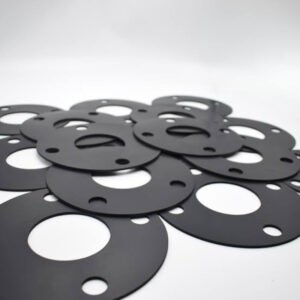
- Industrial and Automotive Components: Rubber gaskets, soundproofing foam, and automotive headliners are often composed of dense, compressible materials. Flat dies are ideal here because they allow for the use of steel rule that can be customized to different heights (creasing, cutting, perforating) within a single flat board, offering a level of tooling flexibility that is complex to replicate in a rotary format.
- Footwear and Garment Accessories: Leather uppers, soles, and handbag components are frequently cut using flatbed clicker presses. The convenience of “re-knifing”—repairing or replacing a specific section of the die—makes flat dies economically superior for these applications, as it extends the life of the tooling significantly.
2. Operational Benefits: A Comparative Analysis
From a factory operations perspective, the “benefits” of a die are measured in three key metrics: uptime, scrap rate, and maintenance cost. Here is how the two technologies stack up based on our internal operational data.
Rotary Dies (The Efficiency Engine)
- Material Waste Reduction: Rotary dies offer customized solutions for extreme reduction of material waste. Because the die runs continuously in a rotary motion, the gap between cuts (the pitch) can be minimized far more effectively than on a flatbed press.
- Waste Removal Efficiency: In high-volume production, waste removal is often the bottleneck. Rotary dies utilize special ejecting and rubbering techniques that actively remove waste at high speeds, preventing “web breaks” that cause significant downtime.
- Speed and Turnover: If your goal is maximum machine speed with quick turnover times, rotary is the only choice. We have seen setups where a rotary die runs at 150+ meters per minute, a speed flat tooling cannot match.
- Durability: Rotary dies (particularly solid engraved or precision CNC-bent curved dies) offer a longer lifespan for high-volume projects, maintaining a consistent cut over millions of cycles.
Flat Dies (The Versatile Workhorse)
- Design Flexibility: Flat dies are superior for multiple-cavity jobs with high accuracy performance. If you need to cut five different shapes on a single sheet or combine creasing with complex embossing, flat dies offer the surface area to do so without complex engineering.
- Creasing Quality: For folding cartons, creasing is as important as cutting. Flat dies provide superior creasing quality because the male/female matrix can be precisely aligned on a flat surface, ensuring crisp, consistent folds without fiber cracking.
- Maintainability: A significant operational advantage is the ability to “re-knife.” When a rule breaks on a flat die, we can simply remove the old rule, bend a new piece using a Flat Auto Bender, and reinstall it. With rotary dies, a damaged section often requires reworking the entire cylinder or a complex welding process.
- Medium Run Suitability: For medium to long runs (100,000 to 500,000 cycles), flat dies offer high durability and excellent results at a lower initial tooling cost compared to a full rotary tool.
3. The Common Denominator: High-Precision Die-Making Equipment
One crucial fact often overlooked in the “rotary vs. flat” discussion is that the quality of the die itself is only as good as the machinery that produced it. Whether you are manufacturing a rotary die or a flat die, the precision of the equipment used in the fabrication process determines the final product’s performance.
In our factory, we do not simply “make” dies; we engineer them using specialized equipment designed to eliminate human error.
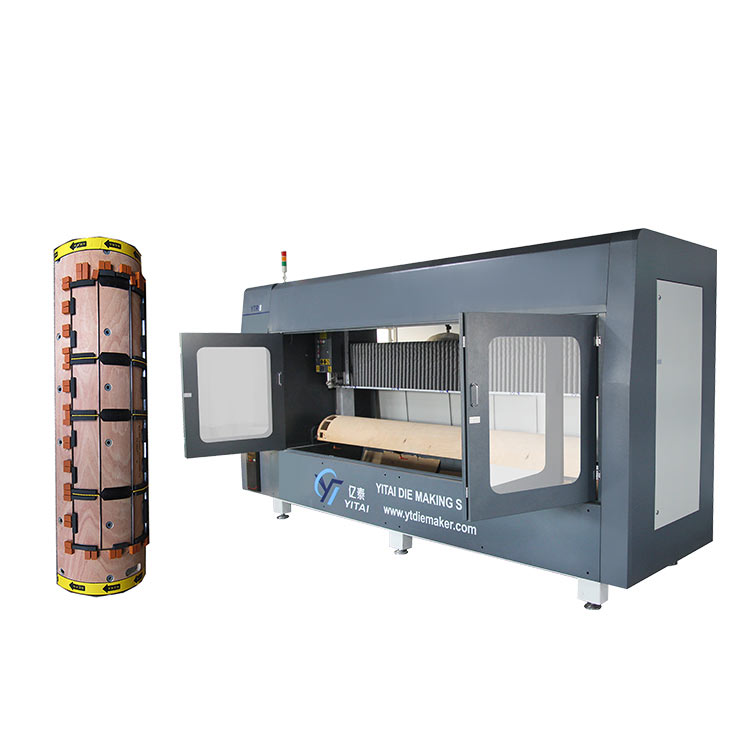
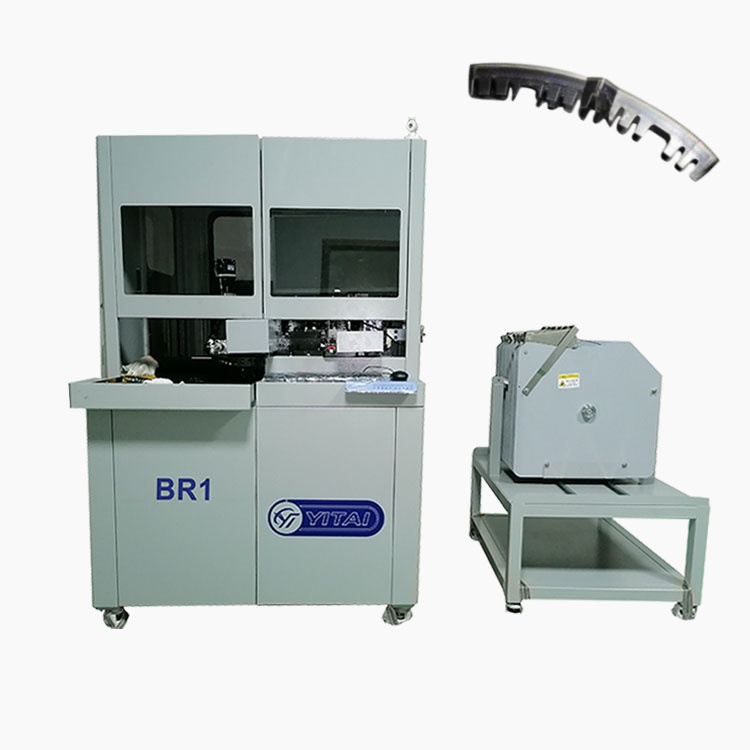
- For Rotary Dies: The curvature of the die rule is critical. Inconsistent bending leads to “run-out,” causing the die to cut unevenly on the press. We utilize advanced Rotary Bending Machines to ensure that every rule bent for a curved die meets sub-millimeter tolerances. Additionally, the die boards for rotary setups require precise milling. Using a CNC Rotary Die Board Milling (Routing) Machine ensures that the slots for the steel rule are cut with absolute perpendicularity and depth consistency, preventing rule tilt and ensuring that the cutting pressure is evenly distributed across the entire cylinder.
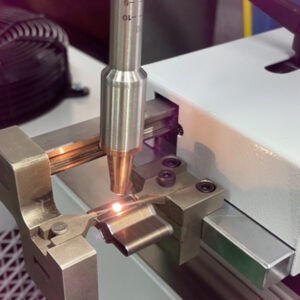
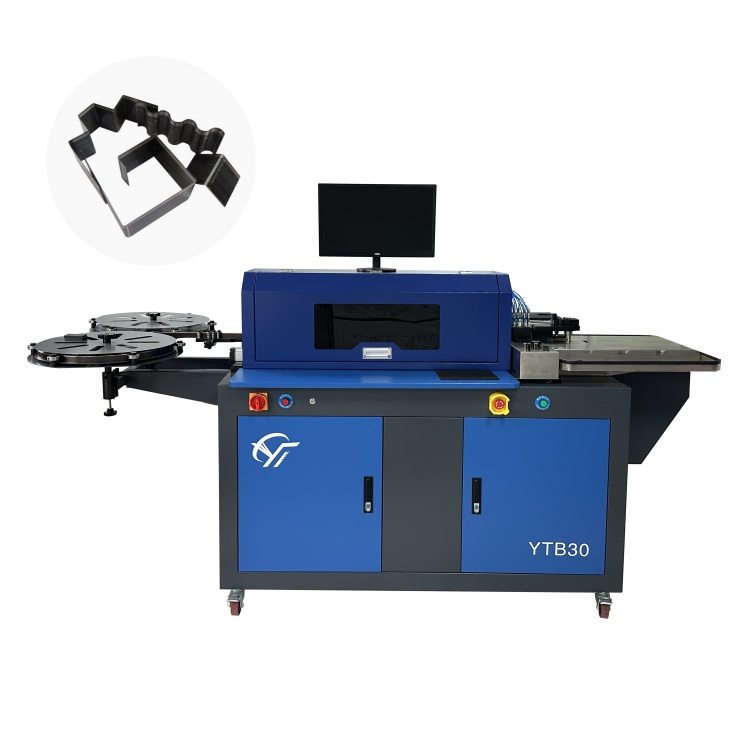
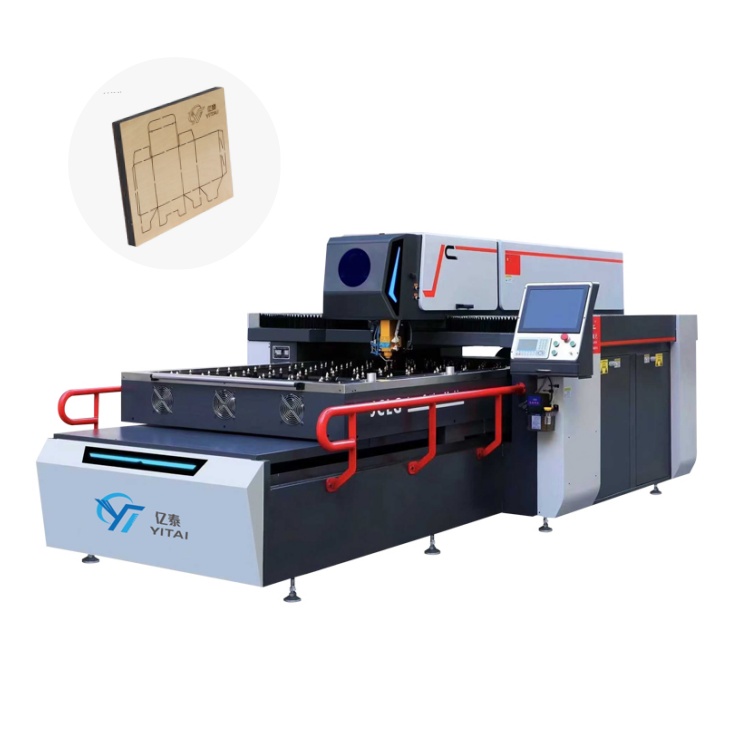
- For Flat Dies: Efficiency in flat die production relies heavily on automation. Manual rule bending is slow and prone to variance. By integrating Steel Rule Auto Bending Machines, our workshop reduces setup time by over 60% and eliminates the risk of incorrect bending angles. Furthermore, the accuracy of the die board itself is paramount. Using high-precision Laser Cutting Machines to cut the plywood or acrylic die boards ensures that the kerf (the slot width) matches the exact thickness of the rule, providing a tight, vibration-free fit that extends the die’s life.
Strategic Investment
If you are considering entering the die-cutting industry or upgrading your existing tooling department, investing in these foundational machines is non-negotiable. A high-precision rotary die machine setup (including benders and routers) allows you to capture the high-volume label and electronics markets. Conversely, investing in flat auto benders and laser cutters positions you as a specialist in packaging and industrial components, offering quick-turnaround, high-quality flat tooling.
Conclusion
The choice between rotary dies and flat dies is a strategic business decision. Rotary dies dominate the landscape of high-volume, roll-fed, thin materials—they are the engines of efficiency. Flat dies remain indispensable for heavy-duty, diverse, thick materials where flexibility and creasing quality are paramount.
However, regardless of your choice, the essence of success lies in high-precision cutting dies. Without precise manufacturing equipment—be it a rotary bender, a CNC router, or a flat laser cutter—your ability to produce consistent, reliable tooling will be compromised.
As a die-making factory operator, my advice is to evaluate your target market. Are you chasing the high-speed label market? Invest in rotary tooling equipment. Are you servicing the packaging and automotive sectors? Hone your flat die capabilities with automated benders and laser systems.
May every cut you make be precise, and may your production lines run without interruption.
For more information on precision die-making equipment—including Rotary Benders, CNC Routers, Flat Auto Benders, and Laser Cutting Machines—please visit our product pages or contact our sales team at sales_diemaking@yitaipacking.com.
- Rotary Bender: https://yitaipacking.com/products/automatic-rotary-rule-bending-machine/
- Rotary Router: https://yitaipacking.com/products/cnc-rotary-die-board-milling-cutting-machine/
- Flat Auto Bender: https://yitaipacking.com/auto-bending-machine/
- Flat Laser Cutter: https://yitaipacking.com/laser-cutting-machines/