A Practical Guide for Die Cutting Manufacturers
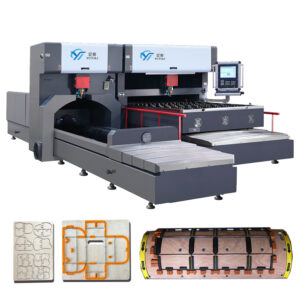
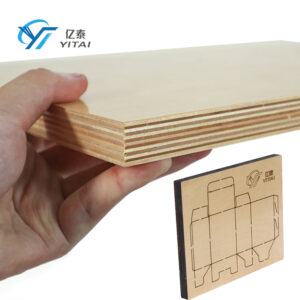
In the die-cutting industry, the die is one of the most critical tools in the entire production process. A die is typically composed of a die board and steel rule blades, and it directly determines product accuracy, cutting quality, and production efficiency.
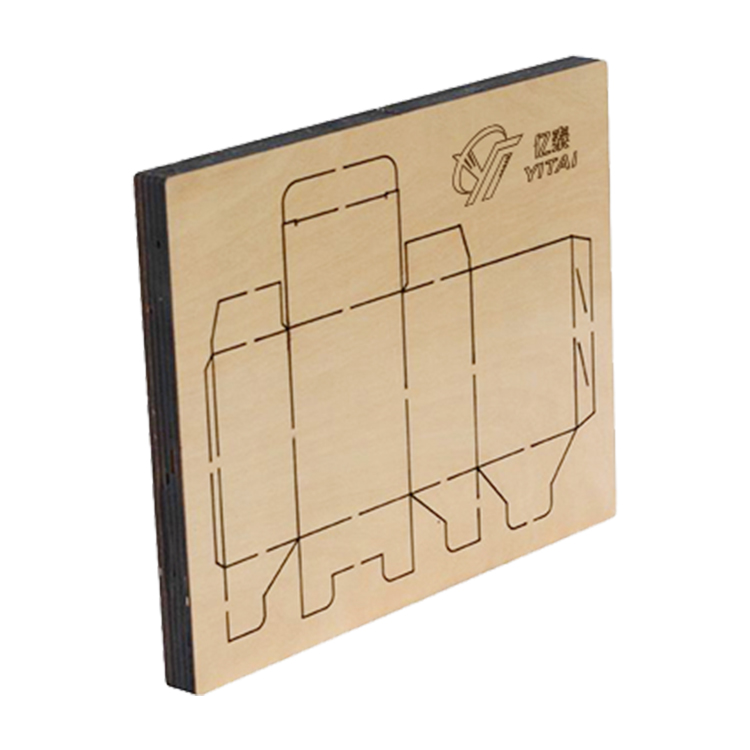
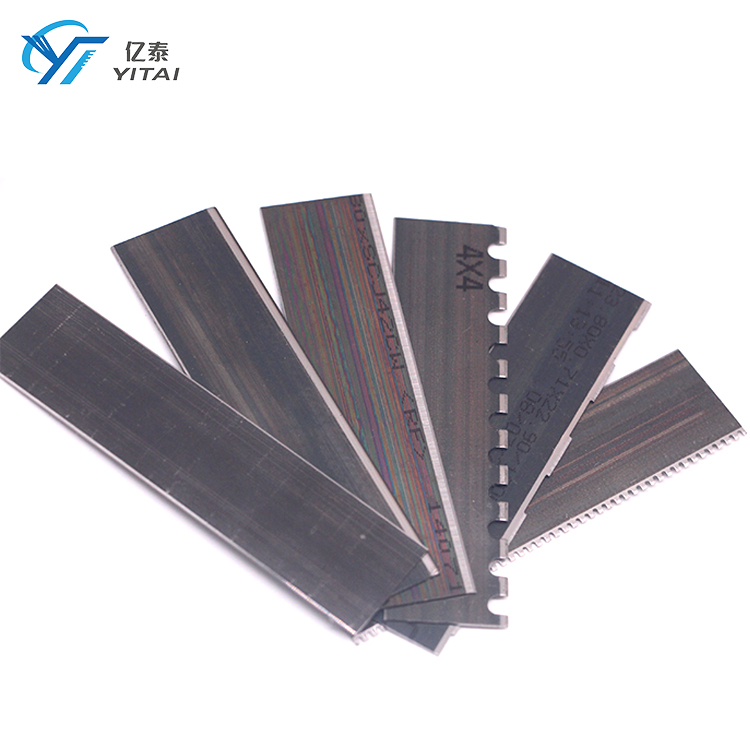
Because different products have very different requirements, there is no “one-size-fits-all” die solution. Choosing the wrong die board or blade type can lead to excessive scrap, short die life, or unstable production.
Based on real manufacturing experience, die selection should follow three key factors, in this order of priority:
Product accuracy → Product material → Production volume
Below is a clear and practical guide to help you choose the right die board for your application.
1. Choose the Die Based on Product Accuracy Requirements
The inherent tolerance of a die itself usually falls within ±0.05 mm to ±0.2 mm. Therefore, product accuracy directly determines which die type is suitable.
High Precision Products (±0.05 mm)
If your product requires very tight tolerances, the following die types are recommended:
- Chemical etching die
- Engraving die
- Metal die
These dies offer high dimensional stability and precision, but they come with higher manufacturing costs.
Key takeaway:
If product tolerances cannot be relaxed, low-cost die options should not be considered.
Medium Precision Products (±0.1 mm)
For products with moderate accuracy requirements, the following options are more cost-effective:
- Wooden die
- Plastic die
These dies can meet most standard die-cutting needs while keeping tooling costs under control.


2. Choose the Die Based on Product Material
Different materials require different blade hardness, blade angles, and die board structures.
Paper & Corrugated Board
Includes cardboard, coated paper, and corrugated paper.
Recommended solution:
- Standard laser-cut wooden die
- Blade angle: 52° (general use)
For complex shapes or lower cutting pressure requirements:
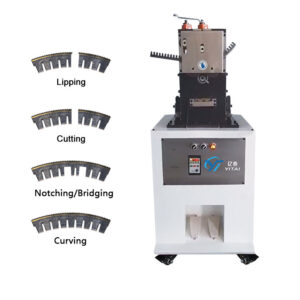
- Use blades with better bending performance
- Choose 42° blade angle to reduce die-cutting pressure
Lower pressure helps reduce edge wear and extends die life.
Rigid Materials (PVC, PET, Electronic Boards, Gaskets)
These materials are harder and require stronger cutting force.
Recommended blade specifications:
- Higher blade hardness
- Smaller blade angle for improved wear resistance
As material hardness increases, blade hardness becomes more critical for stable cutting and longer die life.
Flexible Materials (Foil, Laminated Materials, Soft Plastics)
These materials are prone to stretching, sticking, or edge pulling.
Recommended solution:
- Finely ground, mirror-finish blades
Advantages:
- Lower cutting pressure
- Smoother cutting edges
- Reduced fluffing and material dragging
3. Choose the Die Based on Production Volume
Die life must match production volume to ensure cost efficiency.
Large Batch, Easy-to-Cut Products
- Wooden dies or plastic dies are usually sufficient
- Lower tooling cost, faster turnaround
High Precision & Large Batch Products
- Chemical etching dies offer a good balance between cost and accuracy
High Precision & Complex Products
- Engraving dies or metal dies are recommended
- Suitable for integrated waste removal and complex structures
For multi-step or highly complex products, QDC (Quick Die Change) dies can be used to improve positioning accuracy and process efficiency.
Practical Tips When Selecting a Die Board
1. Blade Height Selection
Blade height should match material thickness and structure:
- Wooden / plastic dies: 2 mm – 6 mm (easy to adjust)
- Chemical etching dies: 1 mm – 1.5 mm
- Engraving dies: 1 mm – 2 mm
- Metal dies: Punch-formed blades
2. Blade Grain Direction Matters
Blade surface treatment has a direct impact on durability and bending performance.
- Horizontal grain blades
- Better for paper products
- More durable
- Less cracking after bending
- More stable cutting quality
- Vertical grain blades
- Appear sharper initially
- Dull faster
- More prone to cracking after bending
- Better suited for film materials only
Recommendation:
For paper and cardboard die cutting, horizontal grain blades are the preferred choice.
Final Thoughts
Choosing the right die board is not about selecting the cheapest option—it is about selecting the most suitable solution for your product.
By carefully evaluating:
- Product accuracy
- Material characteristics
- Production volume
You can achieve:
- Stable die-cutting quality
- Longer die life
- Lower overall production cost
A well-matched die is not an expense—it is a productivity investment.