A Simple Guide for Die Shops
For die makers and packaging professionals, manual carton die cutting machines remain practical tools for cutting cardboard, corrugated board, and paperboard. While all are manually operated, each type serves different needs. Here’s what you need to know.
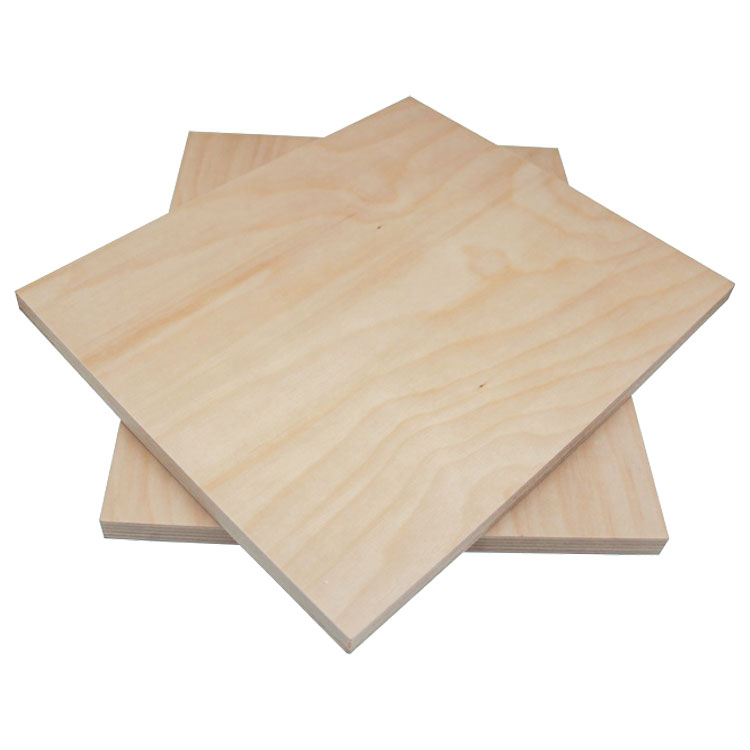
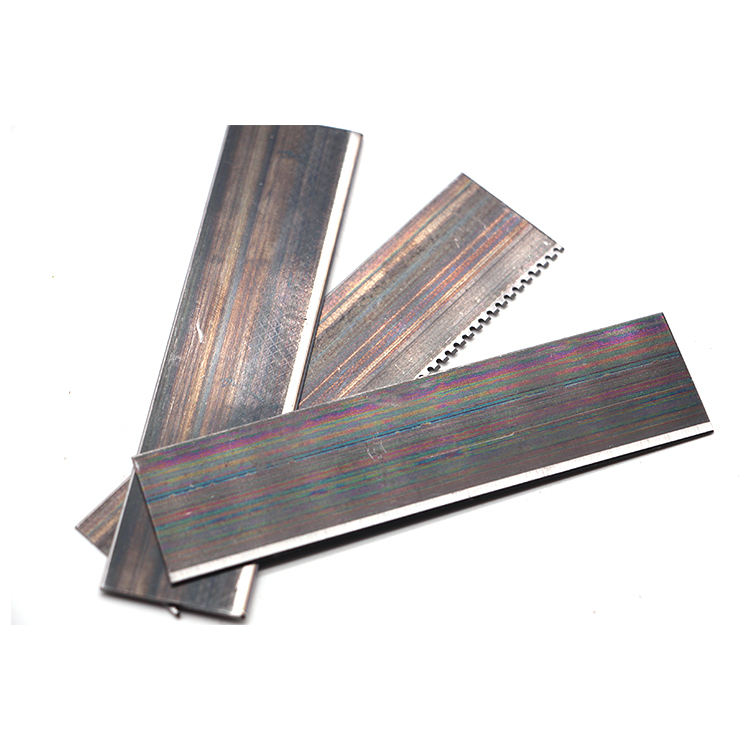
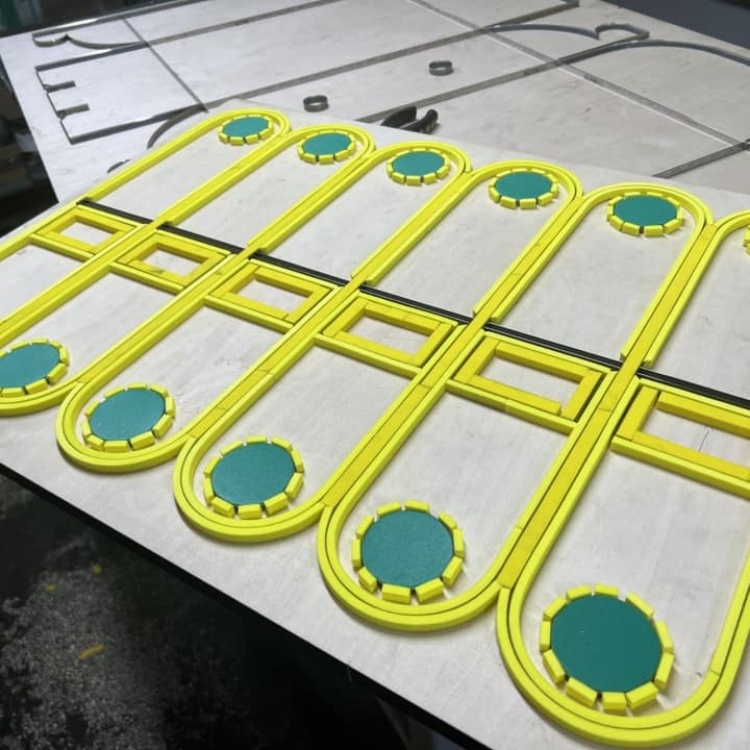
Flatbed Die Cutting Machines
The workhorse of many die shops. Material sits on a flat surface while a steel rule cutting die (mounted in a wooden die board) presses down to cut.
Pros:
- High accuracy for intricate steel rule cutting die designs
- Works with thick materials
- Easy setup and maintenance
- Perfect for prototypes and short runs
Cons:
- Slower than rotary for high volume
- Physical effort for large sheets
Best for: Custom packaging, sample making, small shops testing new wooden die designs
Hand Press Die Cutting Machines
Compact lever-operated machines. You manually lower the ram onto the steel rule cutting die and material.
Pros:
- Excellent pressure control—protects delicate steel rule cutting die rules
- Small footprint, low cost
- Great for detailed work
Cons:
- Slow for mass production
- Limited sheet size
Best for: Artisans, small print shops, educational use, and wooden die work
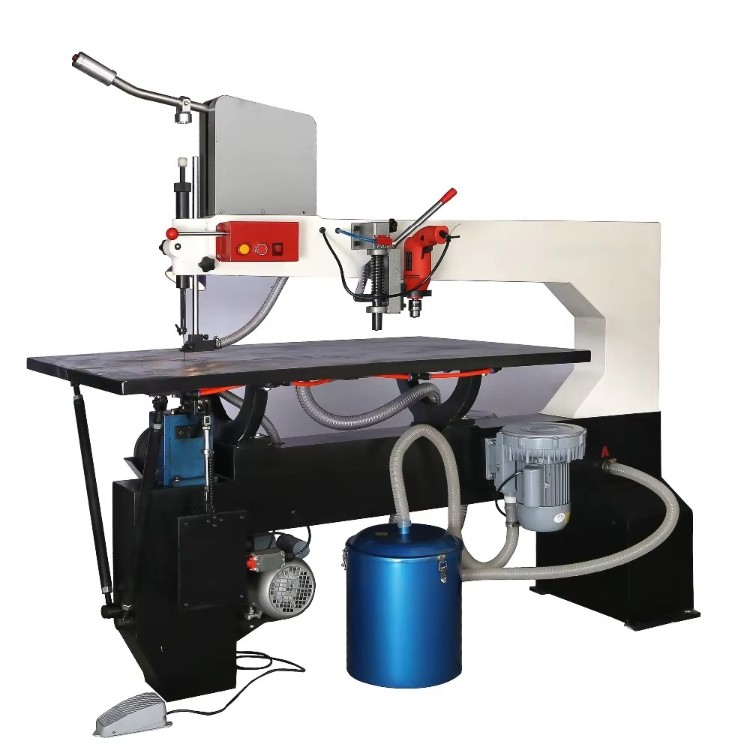
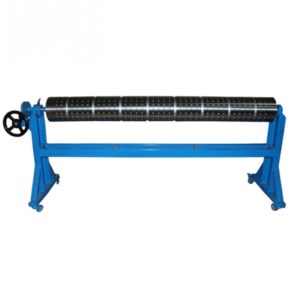
Rotary Die Cutting Machines
A cylindrical die rotates as material feeds through. Continuous action means faster cutting.
Pros:
- Faster speed for longer runs
- Consistent pressure, uniform results
- Great for repetitive shapes
Cons:
- Less flexible for complex wooden die shapes
- Dies cost more than flatbed steel rule cutting die setups
Best for: High-volume labels, boxes, standardized packaging

Drum Die Cutting Machines
Similar to rotary, but material passes between a drum and roller. Smooth, continuous cutting.
Pros:
- Continuous motion, high precision
- Durable, long service life
- Good for medium volumes
Cons:
- Takes more space
- Higher cost than flatbeds
Best for: Medium-scale packaging, workshops needing reliable semi-automated steel rule cutting die performance
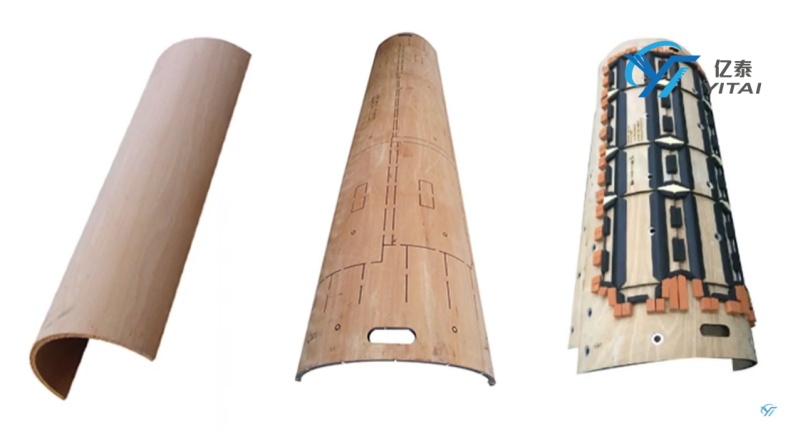
Combination Creasing & Cutting Machines
Dual-function machines that cut and crease in one pass using a single wooden die with both cutting and creasing rules.
Pros:
- One pass does it all—saves time
- Perfect alignment between cuts and creases
- Professional box quality
Cons:
- More complex setup
- Requires skilled wooden die making knowledge
Best for: Box manufacturers, print houses producing folding cartons
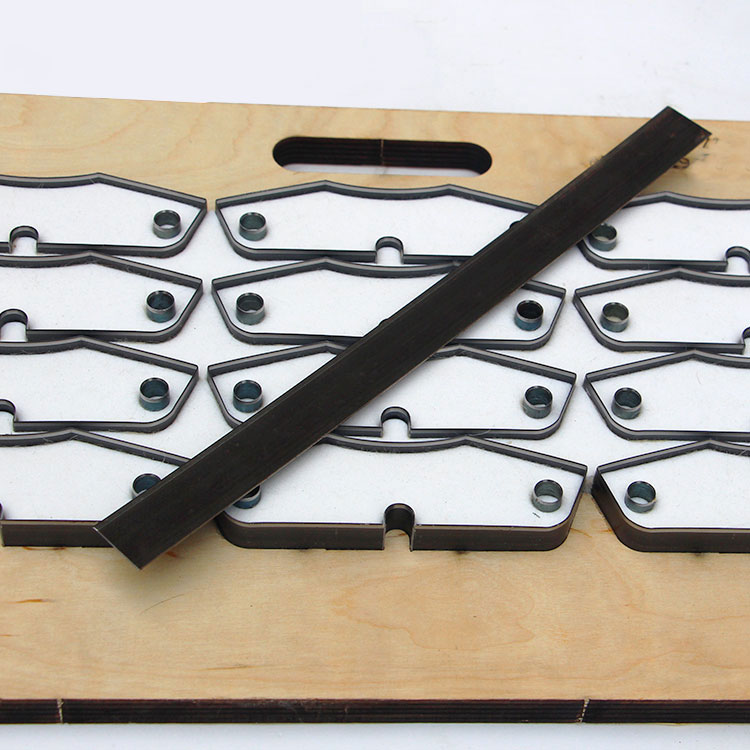
Quick Comparison
| Machine Type | Best For | Key Feature |
|---|---|---|
| Flatbed | Prototypes, short runs | Accuracy, simplicity |
| Hand Press | Detail work, small shops | Pressure control |
| Rotary | High volume, repeat shapes | Speed |
| Drum | Medium volume | Continuous operation |
| Combination | Professional boxes | Cut + crease in one pass |
Which One Fits Your Shop?
- Starting out or prototyping? Flatbed or hand press
- Growing volume? Consider rotary or drum
- Making foldable cartons? Combination machine saves steps
Need Expert Advice?
At Yitai Die Making Supply, we’ve helped die shops worldwide choose the right equipment for wooden die making and steel rule cutting die production.
Tell us:
- What materials and sizes you cut
- Your typical run lengths
- Whether you’re an end-user or distributor
Contact Yitai today—we’ll help you find the right fit.
Yitai Die Making Supply – Your Partner in Wooden Die Making and Steel Rule Cutting Die Technology