Manual Die Cutting vs Laser Die Cutting
12 Frequently Asked Questions Die-making Manufacturers Ask Before Upgrading
In die-making production, many factory owners search online with questions like:
- Is laser die cutting better than manual die cutting?
- Should I upgrade from a sawing machine to a laser die board machine?
- What is the real difference between manual and laser die cutting?
If you are considering equipment upgrades, this FAQ guide will help you understand the key differences from a practical production perspective.
Essential Products for Manual Die-Cutting Factories
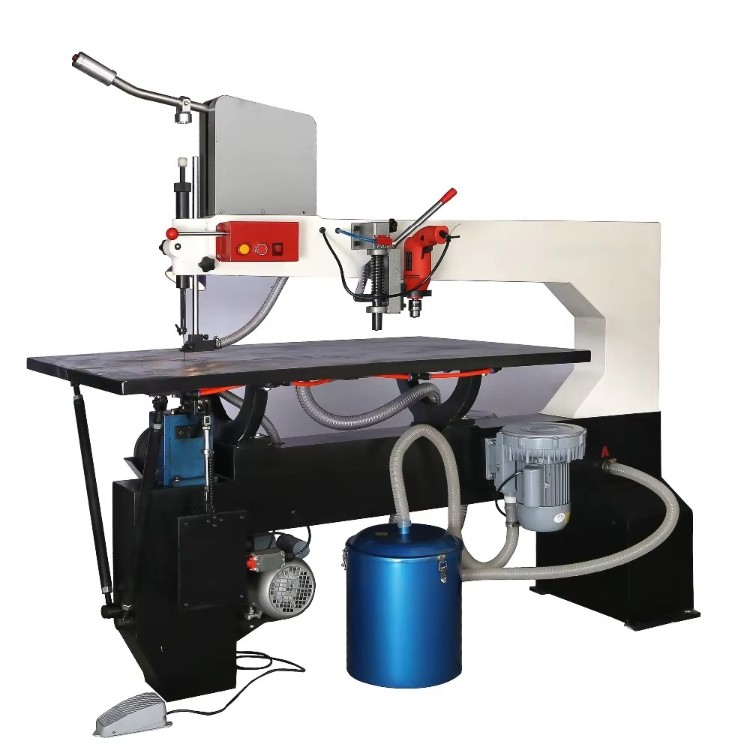

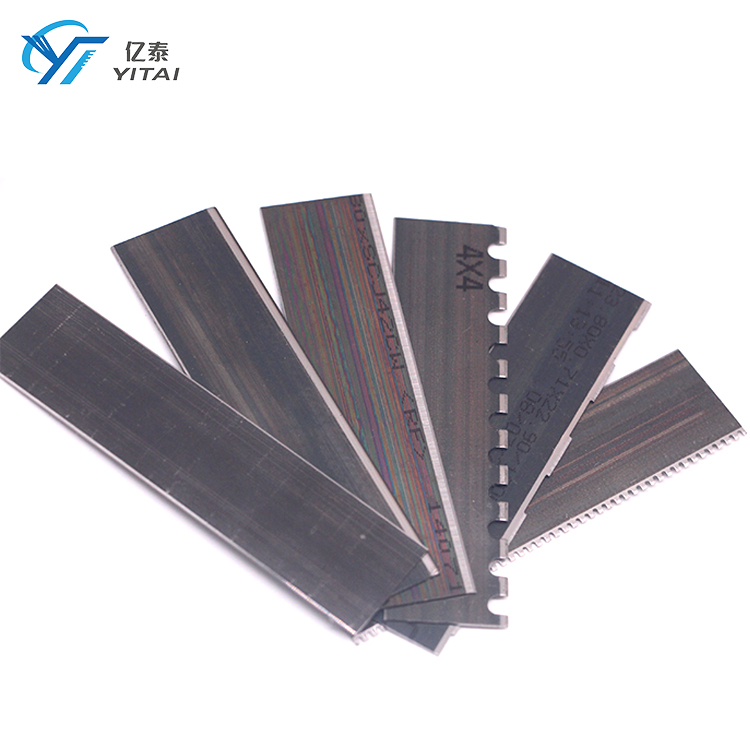
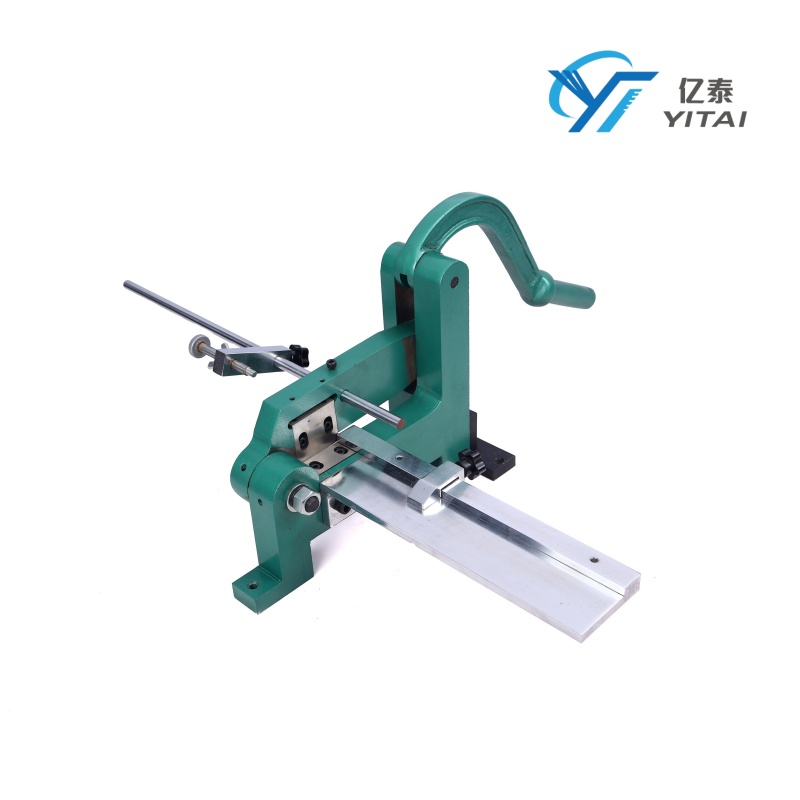

Q1: What is manual die cutting?
Manual die cutting (also called sawing machine die processing) uses:
- Foot-controlled electric saw blades
- Manual drilling
- Hand-drawn cutting lines
It is a traditional mechanical method for cutting die boards.
This process relies heavily on operator experience and manual precision.
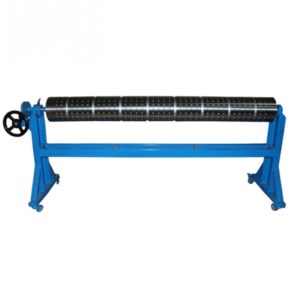
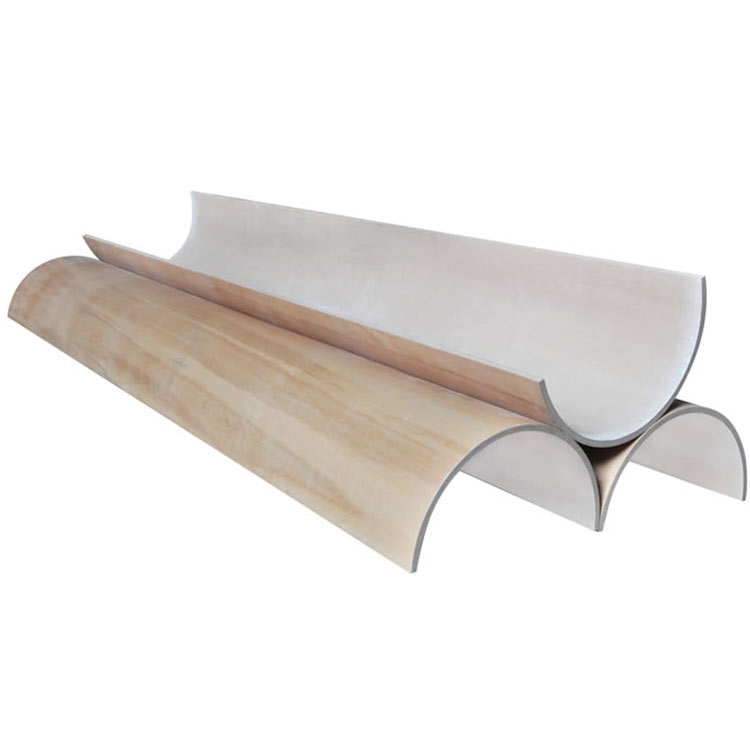
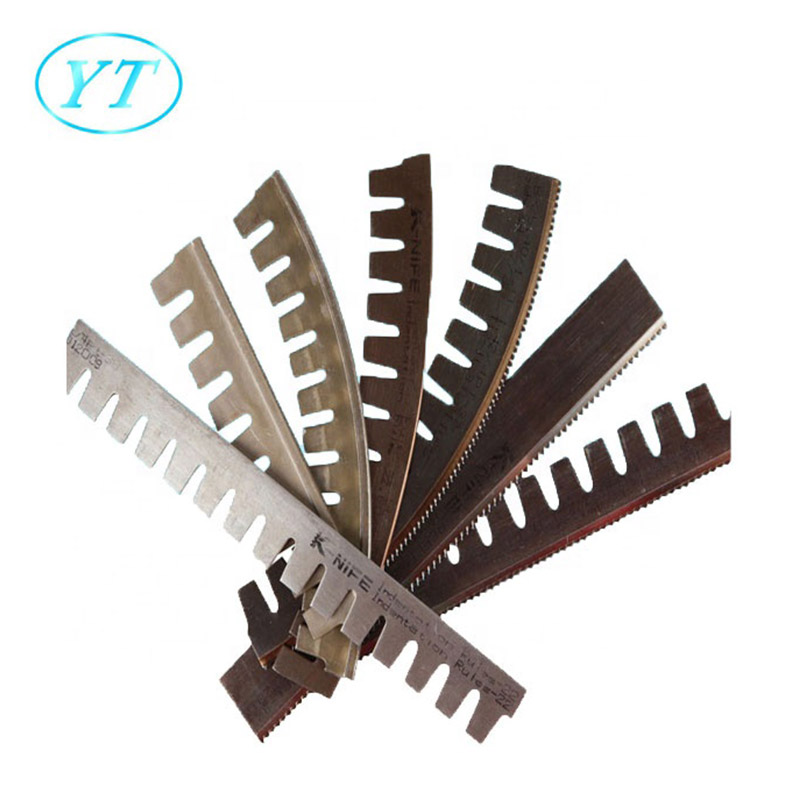
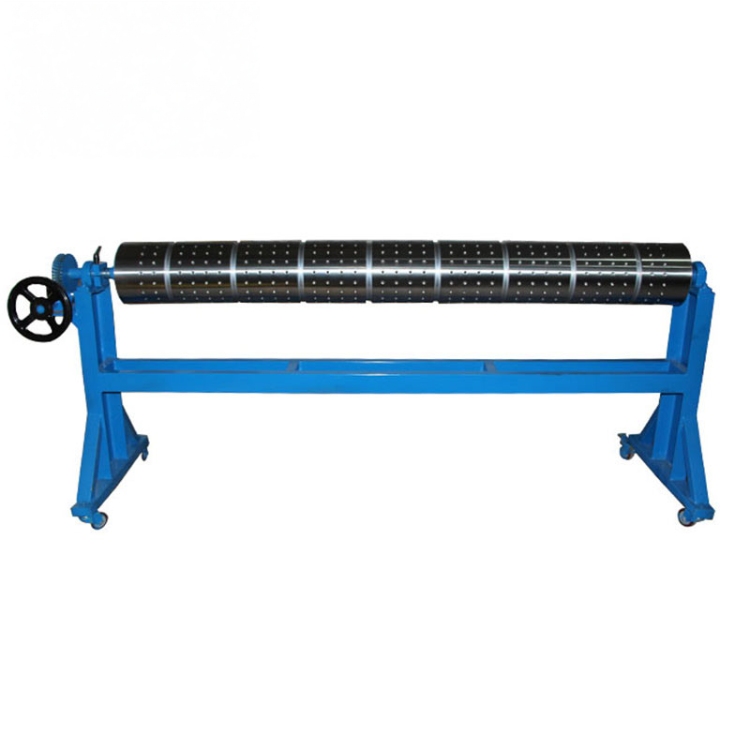
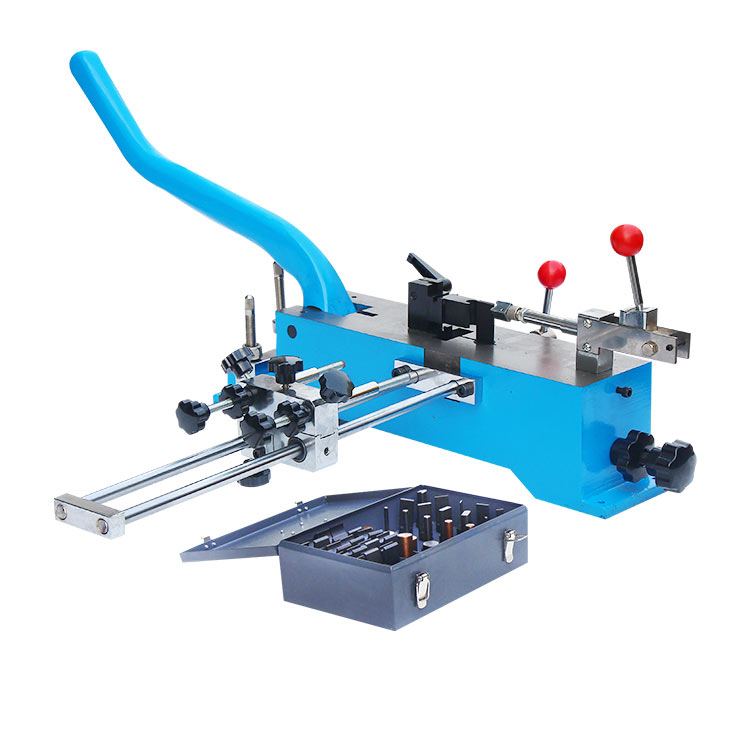
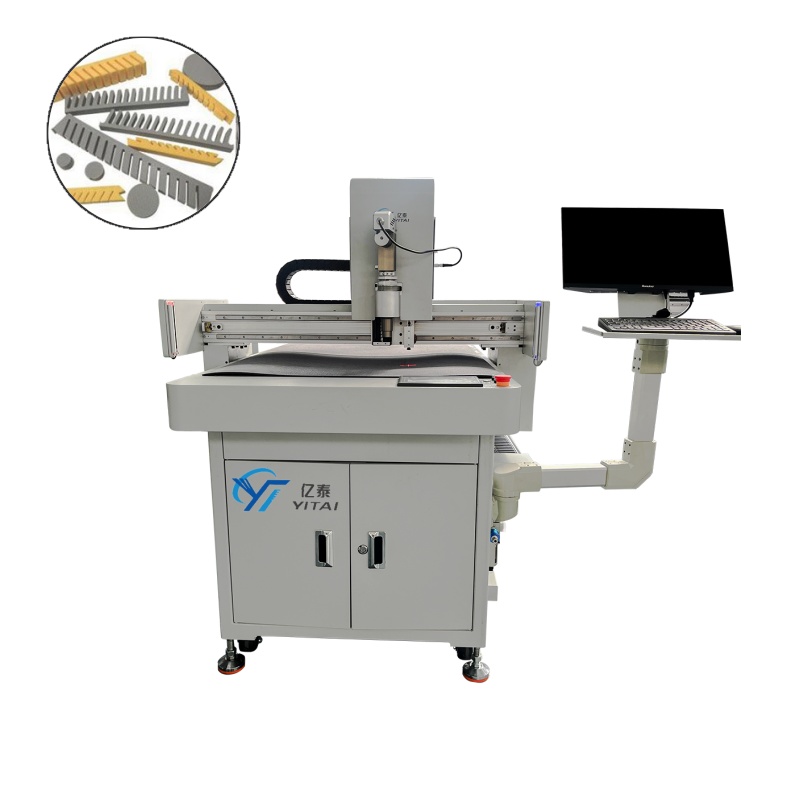
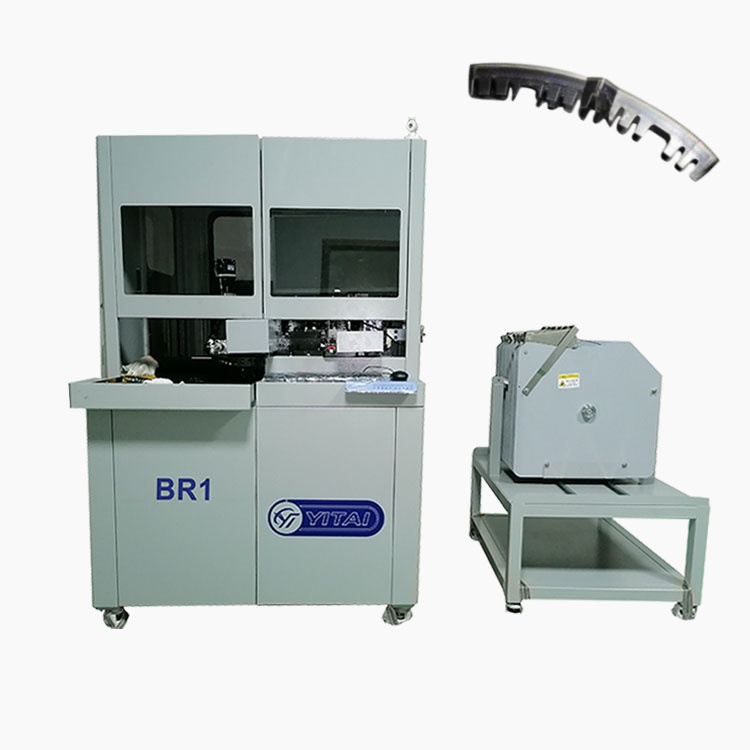
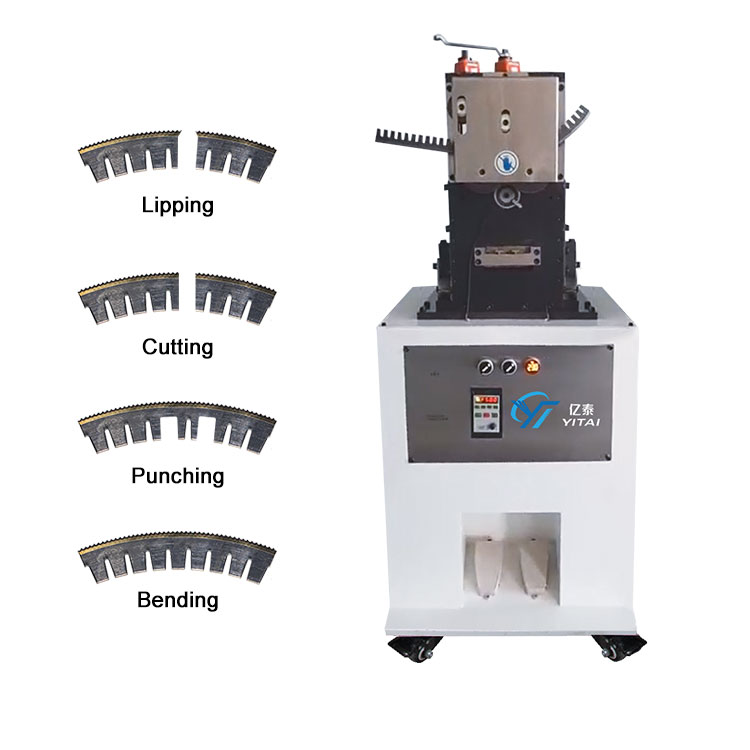
Manual Die-Cutting Equipment for Rotary Die Shop
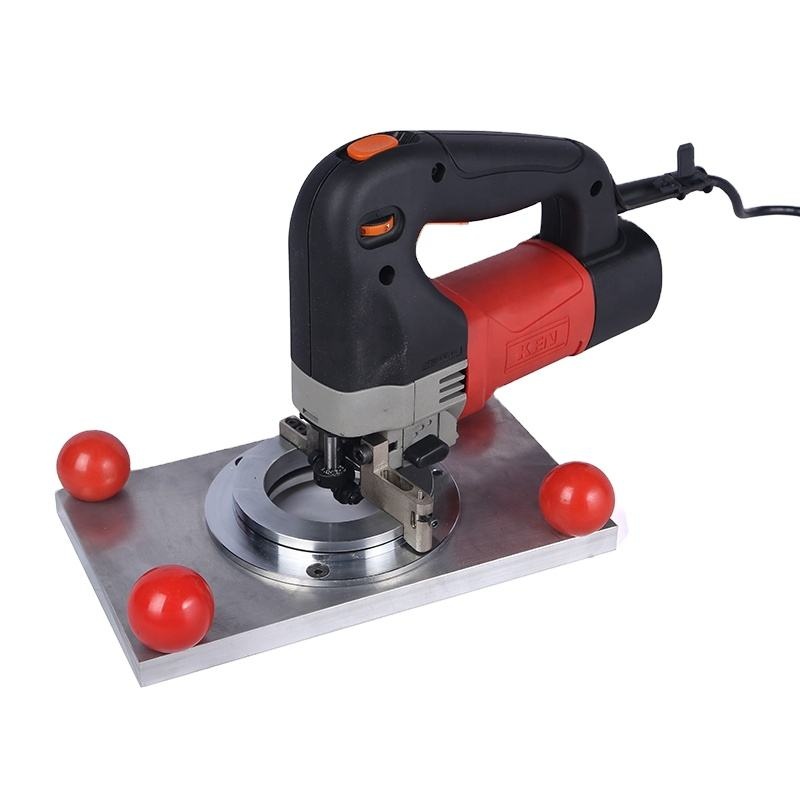
Q2: What is laser die cutting?
Laser die cutting uses:
- CNC-controlled laser beams
- Computer-designed cutting paths
- Automatic slot parameter settings
It is a non-contact, high-precision digital process that replaces manual sawing with laser ablation.

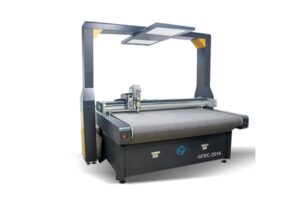
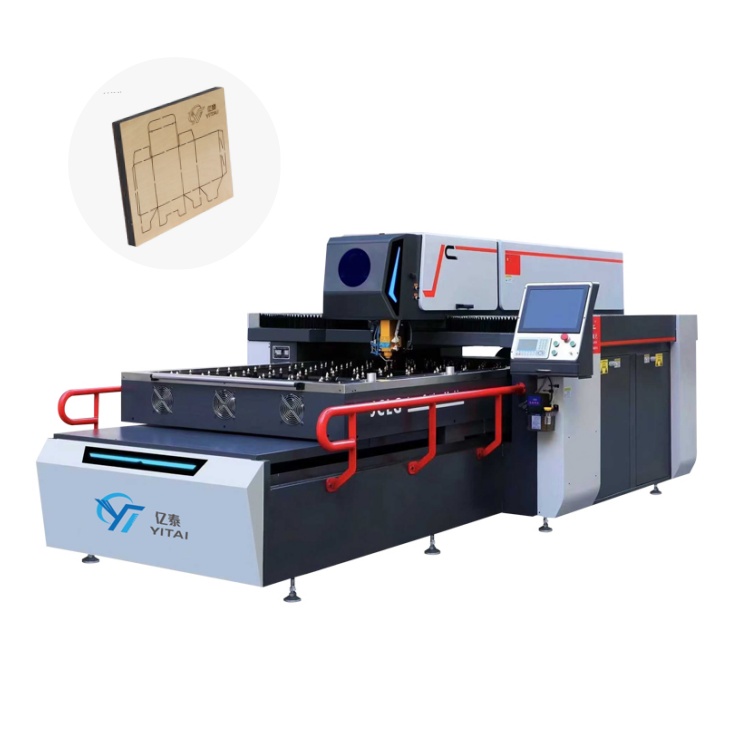
Die Board Laser Cutting Machine
Q3: Which method is more accurate?
Laser die cutting is significantly more precise.
- Manual processing often struggles with consistent tolerance control.
- Laser systems can maintain accuracy around ±0.05 mm under stable conditions.
For complex die boards or high-precision packaging, laser cutting provides much better repeatability.
Q4: Is laser die cutting faster than manual die cutting?
Yes — especially for medium and large orders.
Manual processing:
- Slower speed
- Dependent on operator skill
- Limited daily output
Laser cutting:
- Continuous operation
- Large-format processing
- 24-hour production capability
In many production environments, laser cutting can be more than twice as fast as manual sawing.
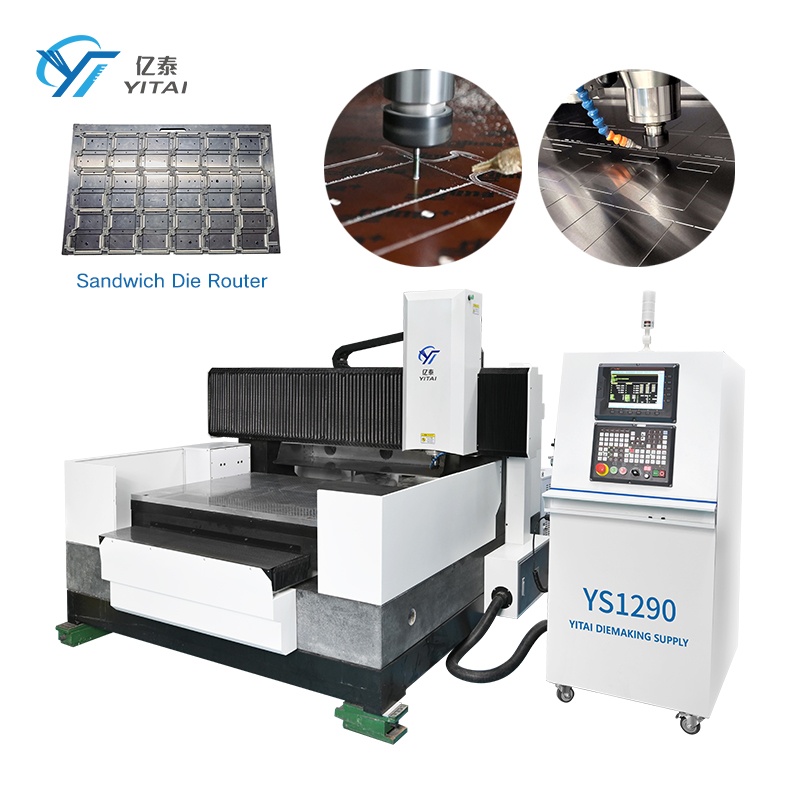
High-Speed Automatic Flat Die-Cutting Machines

Q5: Which method is better for complex graphics
Laser die cutting.
Manual machines struggle with:
- Tight curves
- Small details
- Intricate structures
Laser machines can cut any graphic that can be drawn digitally.
Q6: Is manual die cutting cheaper?
At first glance, yes — because:
- Equipment cost is lower
- Technology is simple
However, long-term costs may increase due to:
- High labor dependency
- Higher scrap rates
- Inconsistent quality
- Lower productivity
Laser machines require higher initial investment but often reduce overall operating cost in medium-to-large production environments.
Q7: Does manual die cutting cause more product scrap?
Often yes.
Because of:
- Blade deviation
- Uneven slot width
- Side slopes
- Dimensional errors
These issues can lead to poor die performance and higher material waste.
Laser cutting improves slot uniformity and reduces variation.
Q8: Which method is safer and cleaner?
Laser die cutting generally provides:
- Less dust
- Lower physical workload
- Cleaner production environment
Manual sawing generates significant dust and requires physical handling.
Q9: Can manual and laser die cutting coexist in one factory?
Yes.
Some factories use:
- Manual machines for simple, low-volume orders
- Laser machines for precision and complex production
However, as order complexity increases, laser processing typically becomes the primary solution.
Q10: When should I upgrade to laser die cutting?
Consider upgrading if:
- You receive complex die board orders
- Accuracy complaints are increasing
- Labor costs are rising
- Production efficiency needs improvement
- You want to expand into higher-end packaging markets
Laser technology supports scalable growth.

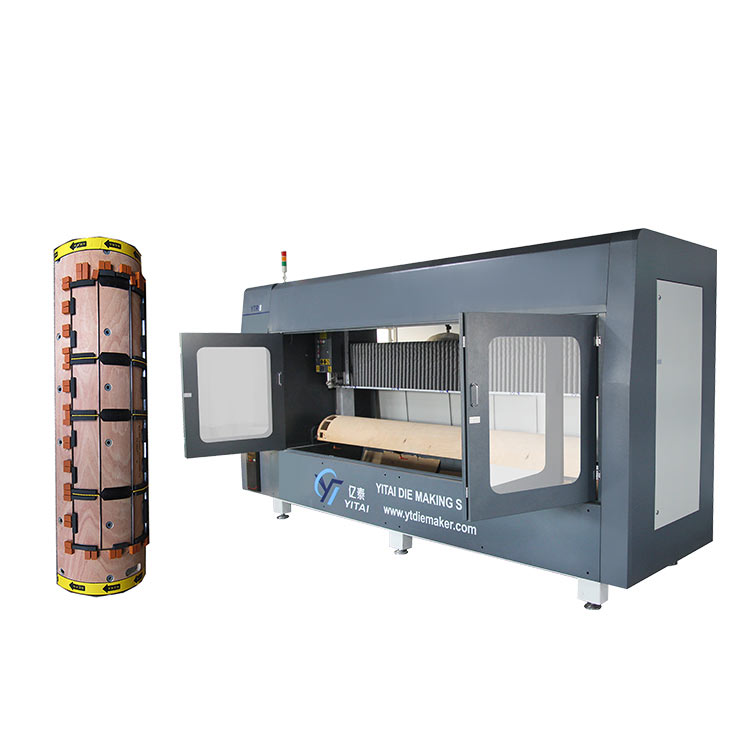
Q11: Is manual die cutting outdated?
Manual die cutting is not completely obsolete, but it is increasingly limited in modern production environments that require:
- Higher precision
- Faster turnaround
- Complex graphics
- Digital workflow integration
Laser die cutting aligns better with modern manufacturing standards.
Q12: Which solution is right for my factory?
Ask yourself:
- What is my average order complexity?
- How important is precision?
- Is labor cost increasing?
- Do I plan to expand production capacity?
If your production demands stability, precision, and scalability, laser die cutting offers clear long-term advantages.
Final Summary
| Factor | Manual Die Cutting | Laser Die Cutting |
|---|---|---|
| Precision | Limited | High |
| Efficiency | Low–Moderate | High |
| Labor Dependence | High | Low |
| Complex Designs | Limited | Excellent |
| Scalability | Limited | Strong |
| Initial Cost | Low | Higher |
There is no universally “best” solution — only the right technology for your production stage.
However, for manufacturers aiming for precision growth and stable long-term development, laser die cutting has become the industry trend.