Introduction to Wooden Die Making
Wooden die making is the foundation of the packaging and converting industry. For over a century, die shops have relied on precision-crafted wooden dies—also known as steel rule cutting dies mounted in plywood die boards—to cut, crease, and form paperboard, corrugated, and countless other materials into finished products.
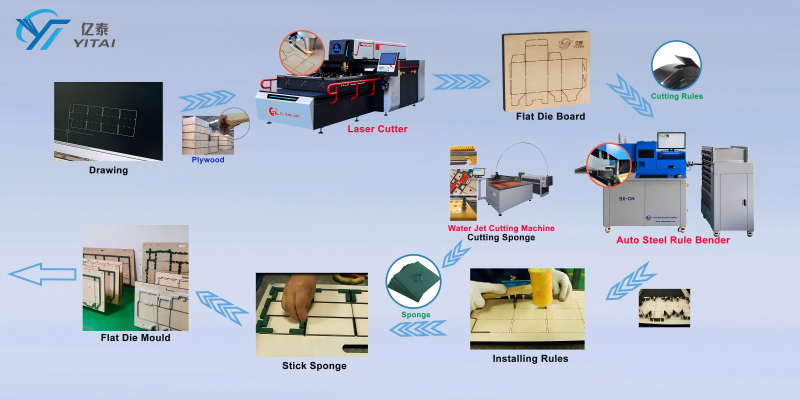
Whether you’re running a small trade shop or a high-volume packaging operation, understanding the complete wooden die making process helps you produce better dies, troubleshoot problems faster, and make smarter equipment investments.
This guide walks you through everything a die shop needs to know about wooden die making: from traditional hand methods to modern CNC workflows, material selection, quality control, and essential equipment.
What Is a Wooden Die?
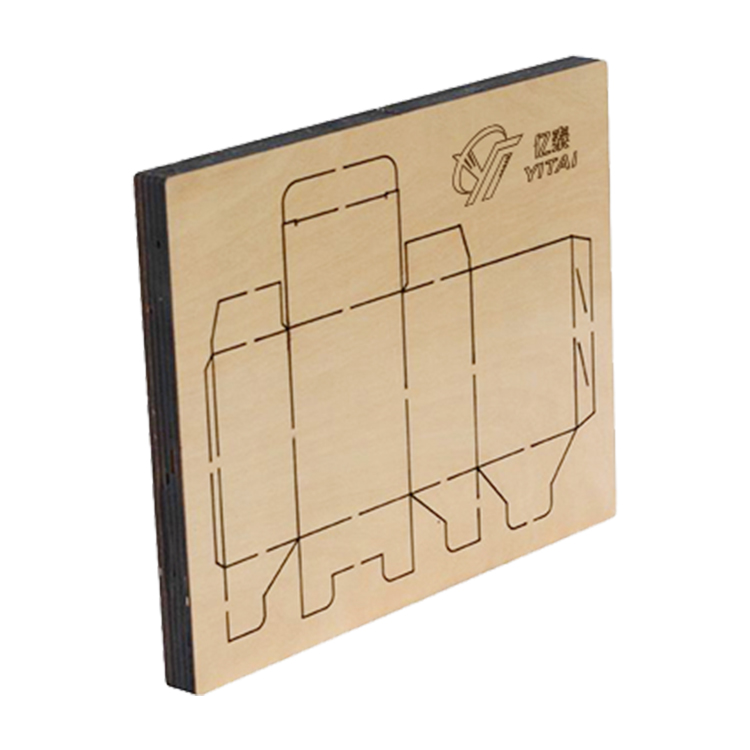
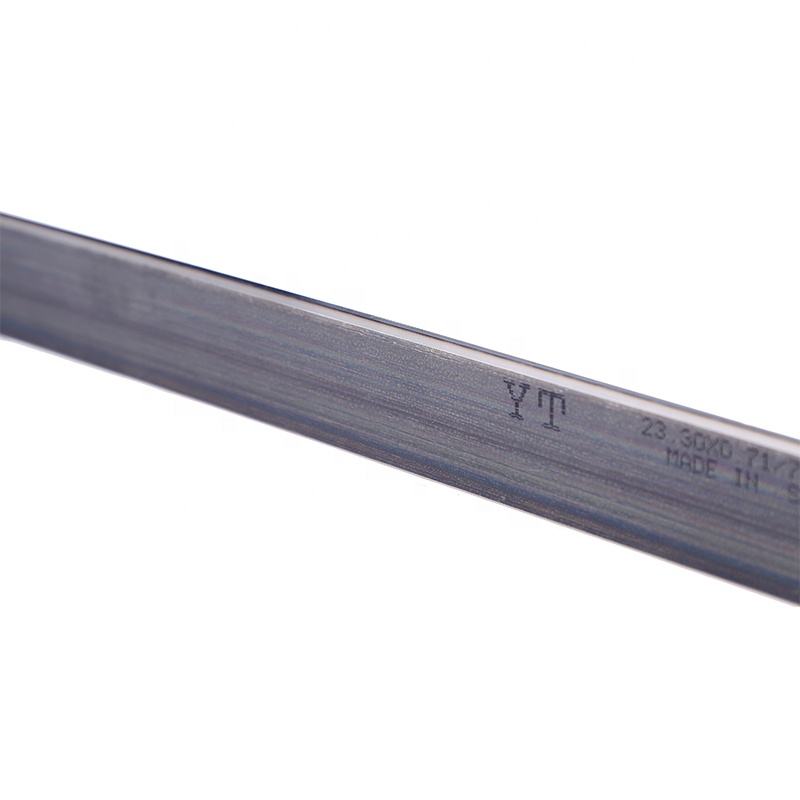
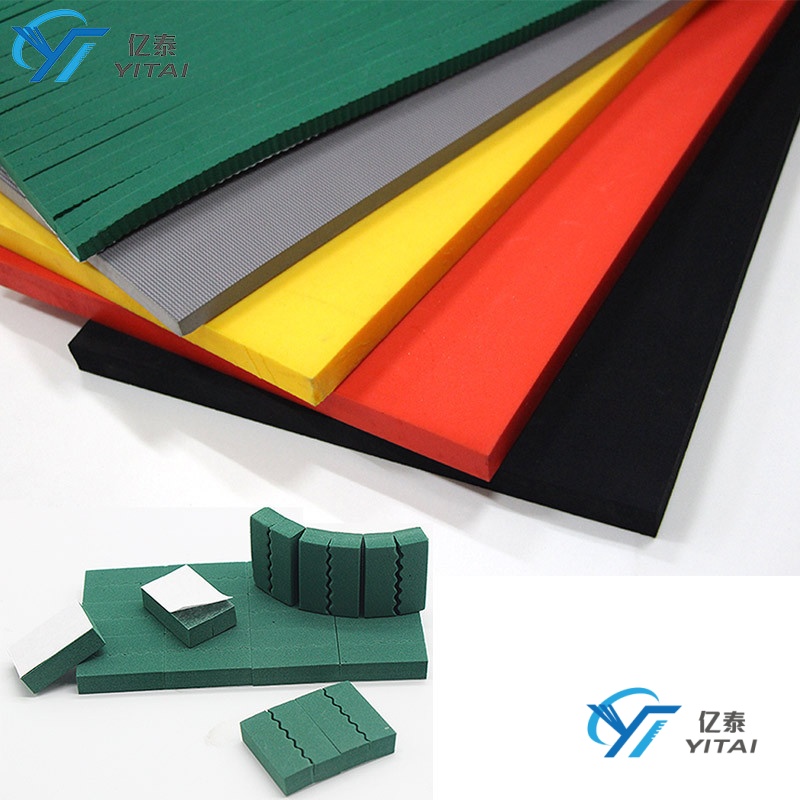
A wooden die (or steel rule cutting die) consists of three main components:
| Component | Description |
|---|---|
| Die Board | Precision-cut plywood (typically 15mm or 18mm thick birch/beech) that holds everything in place |
| Steel Rules | Cutting blades, creasing rules, perforating blades—precision-bent to match the part shape |
| Ejection Rubber | Strips of rubber that push the material off the rules after cutting |
The die board serves as the foundation. Slots (kerfs) are cut into the plywood, and the shaped steel rules are inserted and locked in place. When pressed against material, the rules cut and crease in one operation .
The Evolution: From Manual to CNC Wooden Die Making
Traditional Manual Method
Historically, wooden die making was a true craft. Die makers would:
- Draw die lines on paper and transfer them to the plywood die board
- Cut slots by hand using a wire saw or electric jigsaw
- Bend steel rule cutting die blades manually with hand tools
- Hammer each rule into place
This demanded exceptional skill and produced inconsistent results. Precision depended entirely on the maker’s steady hand . Today, this method is largely obsolete except for absolute emergency repairs.
Modern CNC Method
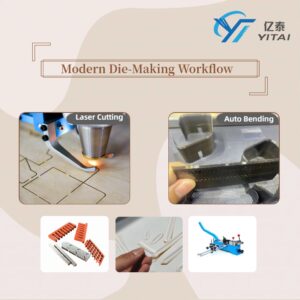
Today’s professional die shops use computer-controlled equipment:
- Design the die in CAD software (AutoCAD, ArtiosCAD, etc.)
- Export the file as DXF—the universal language for die making machinery
- Cut the die board using a laser or CNC router
- Bend the steel rules automatically with a CNC bender
- Assemble by inserting rules into the board and adding ejection rubber
This approach delivers consistent 0.05mm accuracy, dramatically faster turnaround, and repeatable quality batch after batch .
Core Processes in Wooden Die Making
1. Design and Work Preparation
Every great die starts with a great design. Modern die shops use specialized CAD software to create the steel rule cutting die layout.
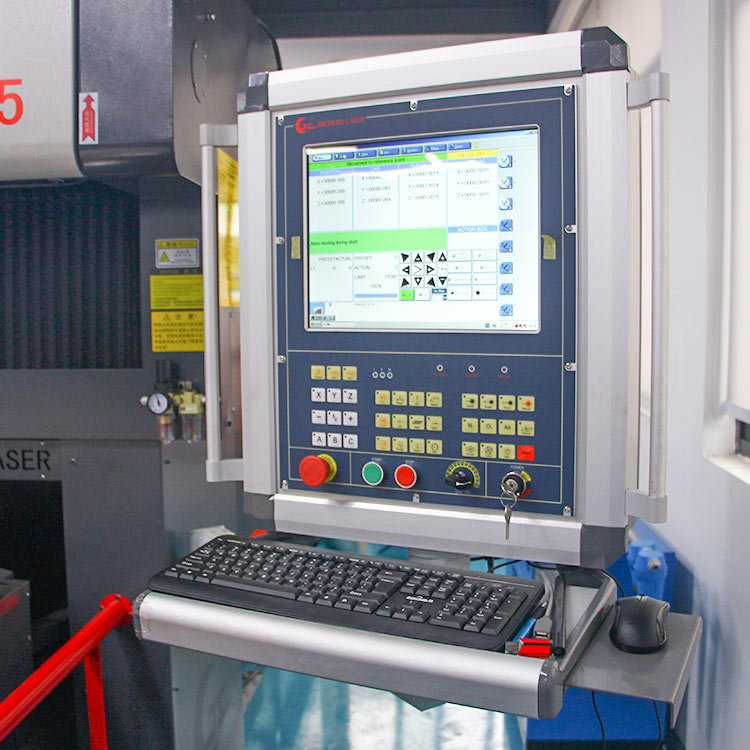
die shops use specialized CAD software to create the steel rule cutting die layout
Key considerations during design:
- Material thickness (affects rule height selection)
- Grain direction of the board being cut
- Bridge placement for structural integrity
- Ejection rubber positioning
- Registration for multi-up layouts
At ZIMARA GmbH, for example, orders are recorded, work cards created, and CAD data is double-checked by a second team member before ever reaching the machine floor—ensuring errors are caught early .
2. Die Board Selection
Not all plywood is created equal. Quality die boards matter.
Preferred materials:
- Birch plywood: Excellent strength-to-weight ratio, consistent density
- Beech plywood: Harder, longer wear for high-run dies
- Thickness: 15mm and 18mm are industry standards for most packaging
The board must be perfectly flat, properly dried (6-8% moisture content), and free of voids or soft spots that could cause rule movement during cutting.
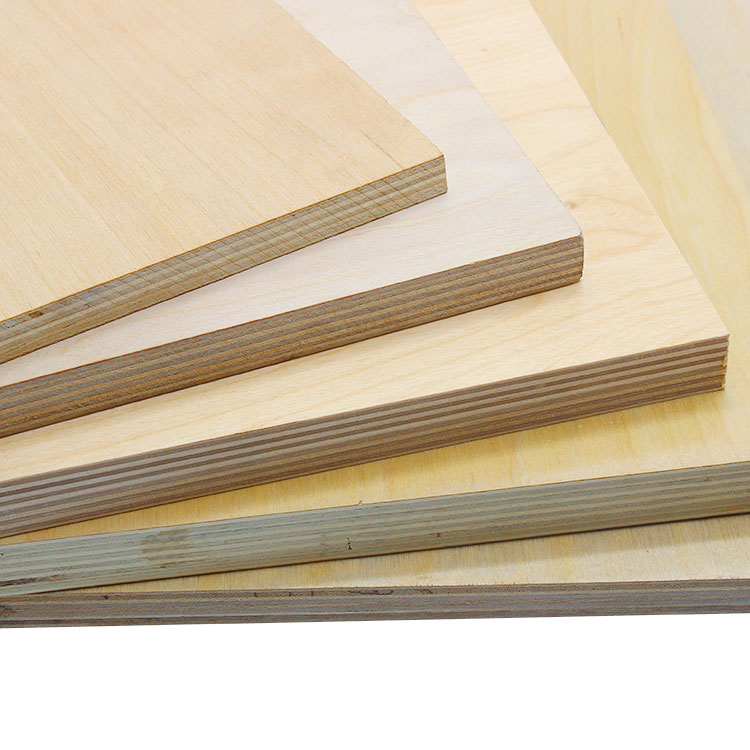
Laser plywood die board selection
3. Slot Cutting
Slots (kerfs) must be precisely cut to match the steel rule thickness—typically 0.71mm (1/4 pt) to 2.0mm (6 pt) depending on material.
Two main technologies:
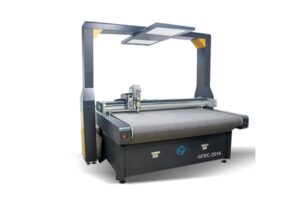
Laser Cutting
- Advantages: Fast, no tool wear, complex shapes easy
- Considerations: Requires ventilation, slight taper possible
- Widely used for wooden die making worldwide
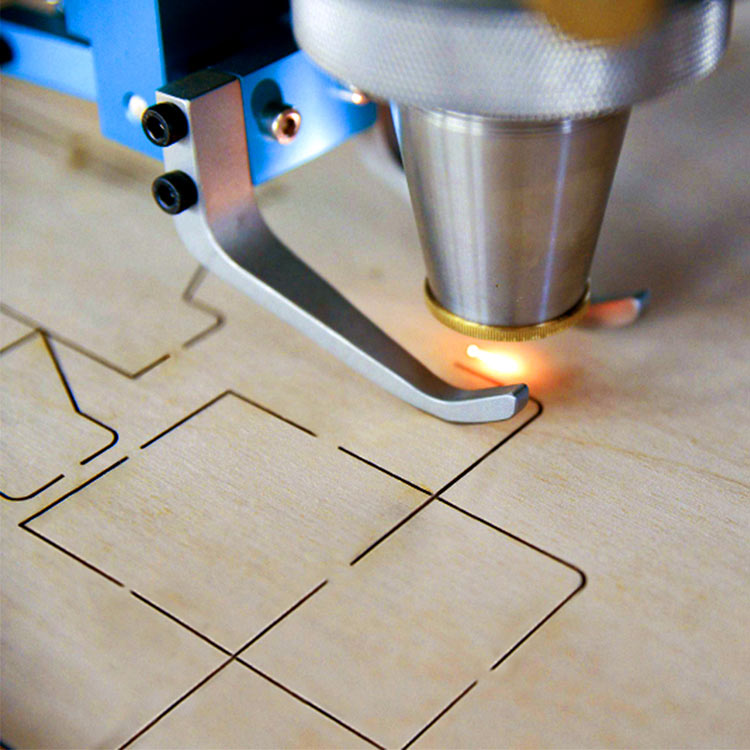
Flat die board laser cutting
CNC Routing
- Advantages: No heat-affected zone, square kerf walls
- Considerations: Tool wear, slower for complex patterns
Most high-volume die shops use laser for speed and flexibility.
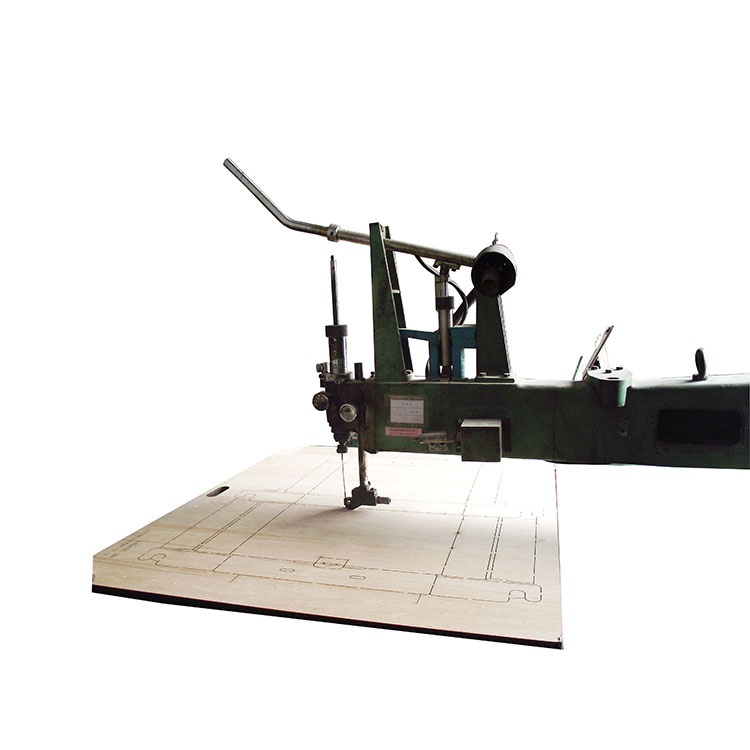
Flat die board CNC Routing
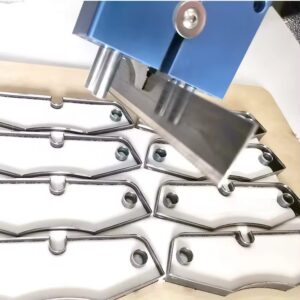
4. Rule Bending
The steel rule cutting die must match the design perfectly. Modern automatic benders read the DXF file and bend coiled rule stock to shape automatically .
Bending considerations:
- Bridges (hickeys): Small cuts in the rule that let ejection rubber pass through
- Miters: Precise 45° corners for clean box corners
- Radius bending: Smooth curves without distortion
Manual bending is still used for quick repairs or extremely complex shapes, but CNC bending ensures consistency.
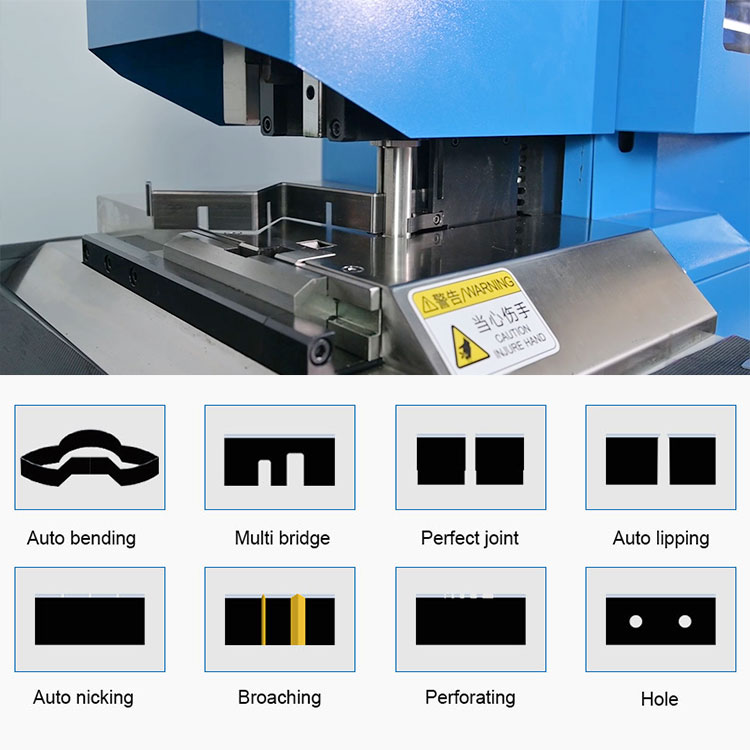
Automatic steel rule blade bending machine
5. Rule Insertion and Assembly
With slots cut and rules bent, assembly begins:
- Rules are tapped into place using a die-setting hammer and nylon mallet
- Rule ends are welded (TIG or laser) to create continuous cutting loops
- Ejection rubber is cut and applied around rules
- Stripping pins or other accessories are added as needed
This step still requires skilled hands—even with CNC preparation, the final fit and finish depend on the die maker’s craftsmanship.
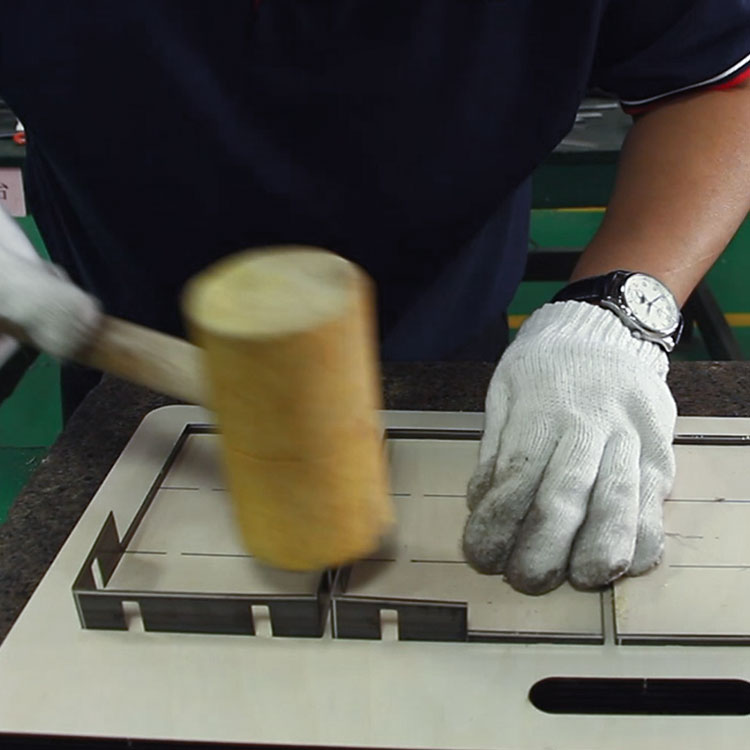
Rule Insertion and Assembly
6. Quality Control
Before shipping, every wooden die should be thoroughly checked:
- Rule height: Consistent across entire die
- Kerf fit: Rules tight, no movement
- Rubber placement: Proper ejection force
- Test cuts: Run sample material to verify performance
Quality checks by experienced foremen ensure the die performs as expected on the customer’s press .
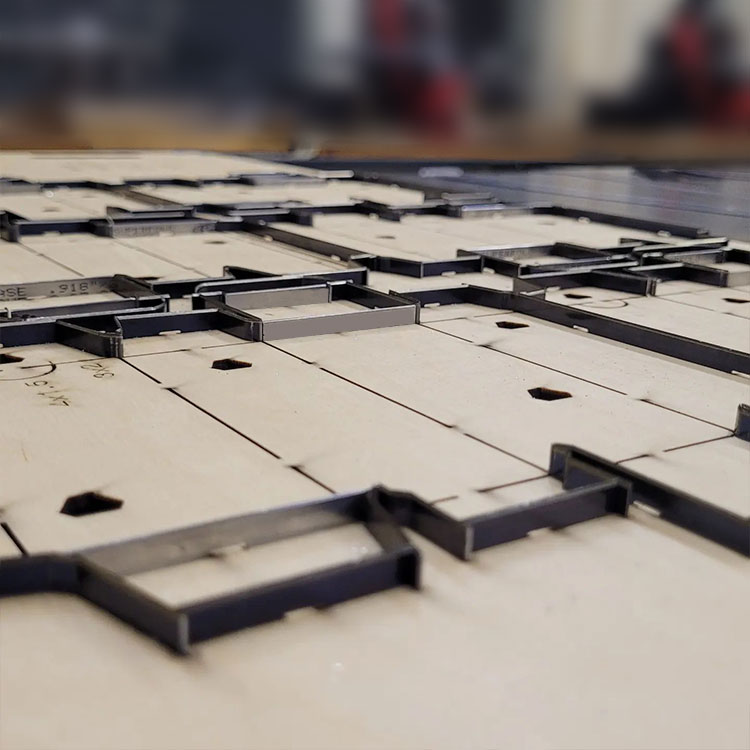
Flat wooden die check
Special Considerations in Wooden Die Making
Stripping Dies
For high-speed die cutting, matching male and female stripping dies remove scrap automatically. These can be made efficiently by cutting both from the same piece of wood—reducing material waste and ensuring perfect alignment .
The process involves:
- Cutting a series of sawcuts defining the female shape
- Adding spacer blocks
- Attaching to a base
- Separating into male and female components
This technique saves significant material and labor compared to traditional hand-built stripping rails .
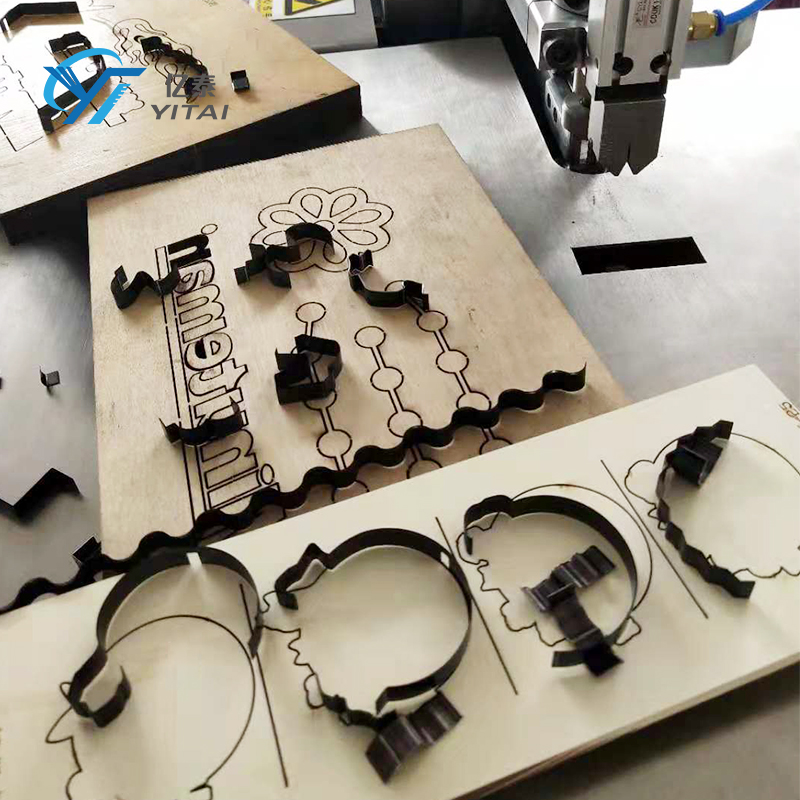
Flat cutting die
Die Board Construction
Advanced die boards may use multiple veneer layers with specific grain orientations. Research suggests that orienting core layers parallel to the die’s longitudinal axis improves dimensional stability and reduces surface defects .
Some manufacturers use resin-impregnated paper face layers to eliminate the hand-finishing traditionally required for wood veneers—saving 30-50% of construction time .
Essential Equipment for Wooden Die Making
| Equipment | Purpose |
|---|---|
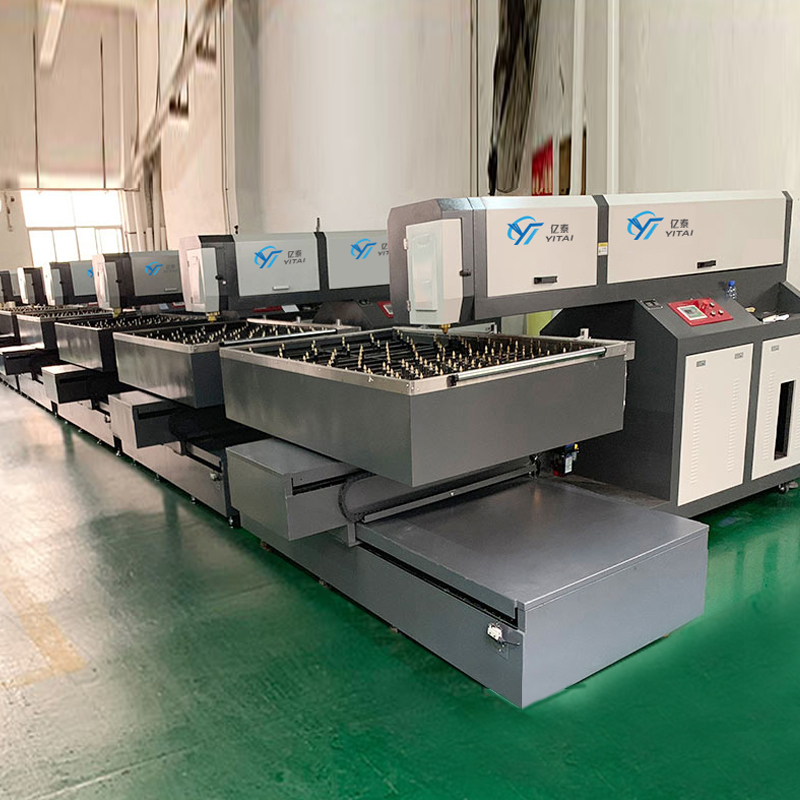
| Laser Die Cutting Machine | Cutting slots in plywood die boards |
| CNC Automatic Bender | Precision bending of steel rules |
| Manual Bender | Quick adjustments and custom shapes |
| TIG or Laser Welder | Welding rule ends for continuous loops |
| Die-Setting Hammer | Tapping rules into place |
| Rubber Cutter | Shaping ejection rubber |
| Inspection Equipment | Height gauges, test presses |
Troubleshooting Common Wooden Die Problems
Problem: Inconsistent Cutting Depth
Causes:
- Uneven rule height
- Die board warpage
- Incorrect rubber hardness
Solutions:
- Check rule height before assembly
- Store plywood flat in controlled humidity
- Match rubber durometer to material
Problem: Rule Movement in Board
Causes:
- Kerf too wide
- Loose fit
- Insufficient bridges
Solutions:
- Verify laser kerf matches rule thickness
- Add bridges for long straight rules
- Consider CNC routing for tighter tolerances
Problem: Premature Rule Wear
Causes:
- Wrong rule hardness for material
- Improper rule alignment
- Excessive pressure
Solutions:
- Select rule based on material type
- Verify die registration
- Adjust press parameters
The Future of Wooden Die Making
Modern die shops continue to evolve:
- Industry 4.0 integration: Machines connected via Internet for remote monitoring and diagnostics
- Automated material handling: Reducing manual labor in loading/unloading
- Improved materials: Engineered die boards with consistent properties
- Hybrid processes: Combining laser cutting with CNC routing for optimal results
As one equipment manufacturer notes, combining CNC equipment with Internet technology has “expanded work efficiency and scope of use” dramatically .
Choosing the Right Partner
For die shops investing in wooden die making equipment, consider:
- Experience: Does the manufacturer understand die making?
- Support: Is training and service available?
- Integration: Will equipment work with your existing workflow?
- Quality: Are machines CE certified and reliable?
Conclusion
Wooden die making remains the backbone of the packaging industry. Whether you’re cutting simple boxes or complex displays, understanding the complete process—from design through assembly—helps you produce better dies and run a more profitable die shop.
From traditional craftsmanship to modern CNC precision, the fundamentals remain: a well-made steel rule cutting die starts with a quality die board, precisely bent rules, and skilled assembly. Master these, and your dies will perform shift after shift, customer after customer.
Need equipment or supplies for your wooden die making operation? Contact Yitai Die Making Supply—your complete partner in die making machinery and materials.